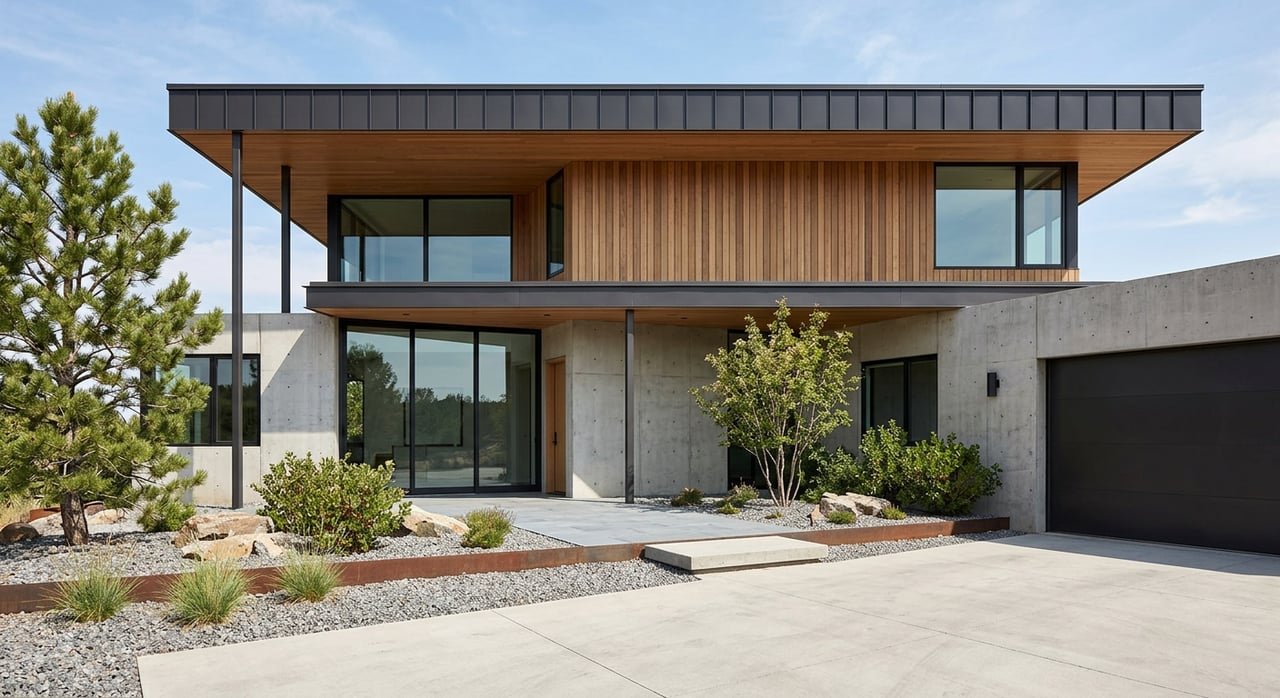
Is a brand-new home near Wonderland Lake worth the premium? If you love North Boulder’s trail access, modern design, and low maintenance, new construction can be a smart play. Still, the best moves here start with clear expectations about prices, policies, and site constraints that shape real timelines and budgets. This guide gives you the on-the-ground view, from where new builds are clustering to the rules that can change feasibility. Let’s dive in.
Where new builds cluster
Recent construction in North Boulder concentrates around the Broadway, Violet, Locust, and Union blocks, with a strong pocket near Wonderland Lake. A good example is Koelbel & Company’s Violla enclave, an approximately 37-home mix of townhomes and single-family residences that mirrors what is selling in this submarket today. You can review the developer’s overview in the Violla press release for a sense of product and positioning. Koelbel’s Violla announcement outlines the community’s mix and intent.
City planning also matters. The North Boulder Subcommunity Plan has guided land use for decades and was amended through 2024, clarifying expectations for certain parcels near Broadway and Violet. If you are scouting lots or anticipating future supply, it is worth a skim. The North Boulder Subcommunity Plan gives helpful land use context.
Infrastructure has reduced risk and improved connectivity in key corridors. The Wonderland Creek flood mitigation projects and associated FEMA remapping, effective March 18, 2024, changed floodplain boundaries and boosted the appeal of nearby parcels. See the Wonderland Creek project details and mapping updates.
What new homes look like
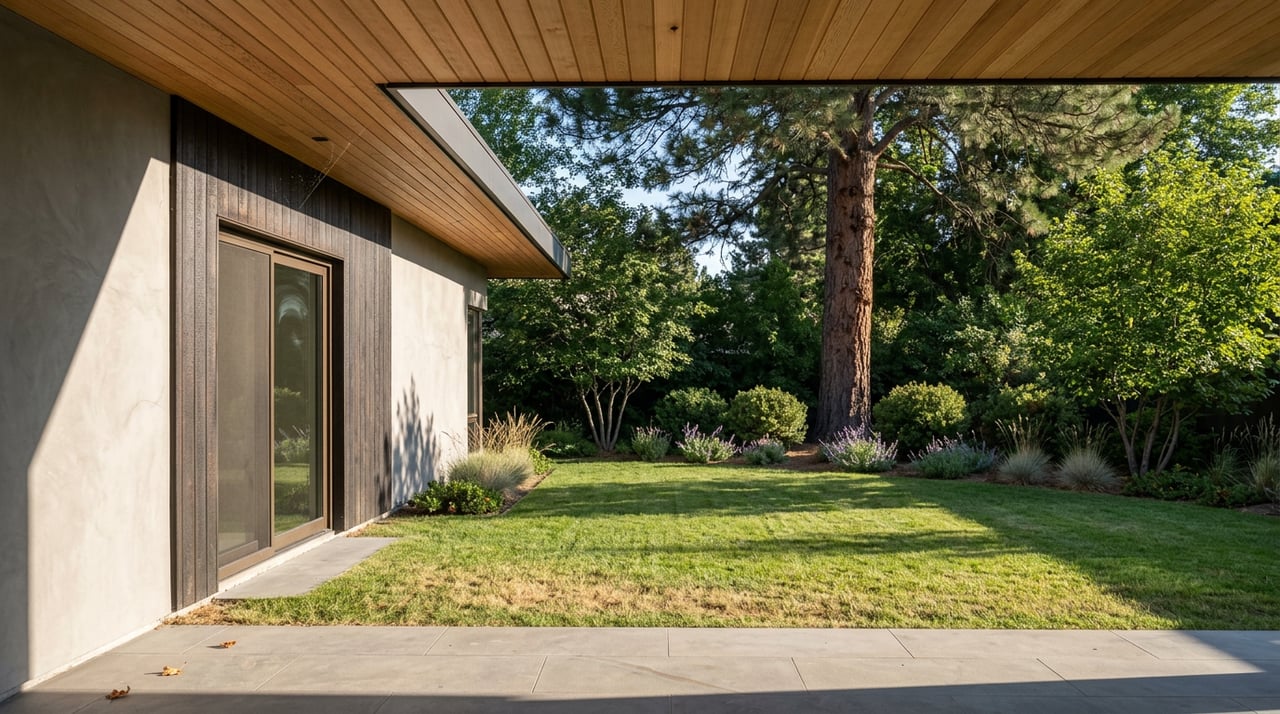
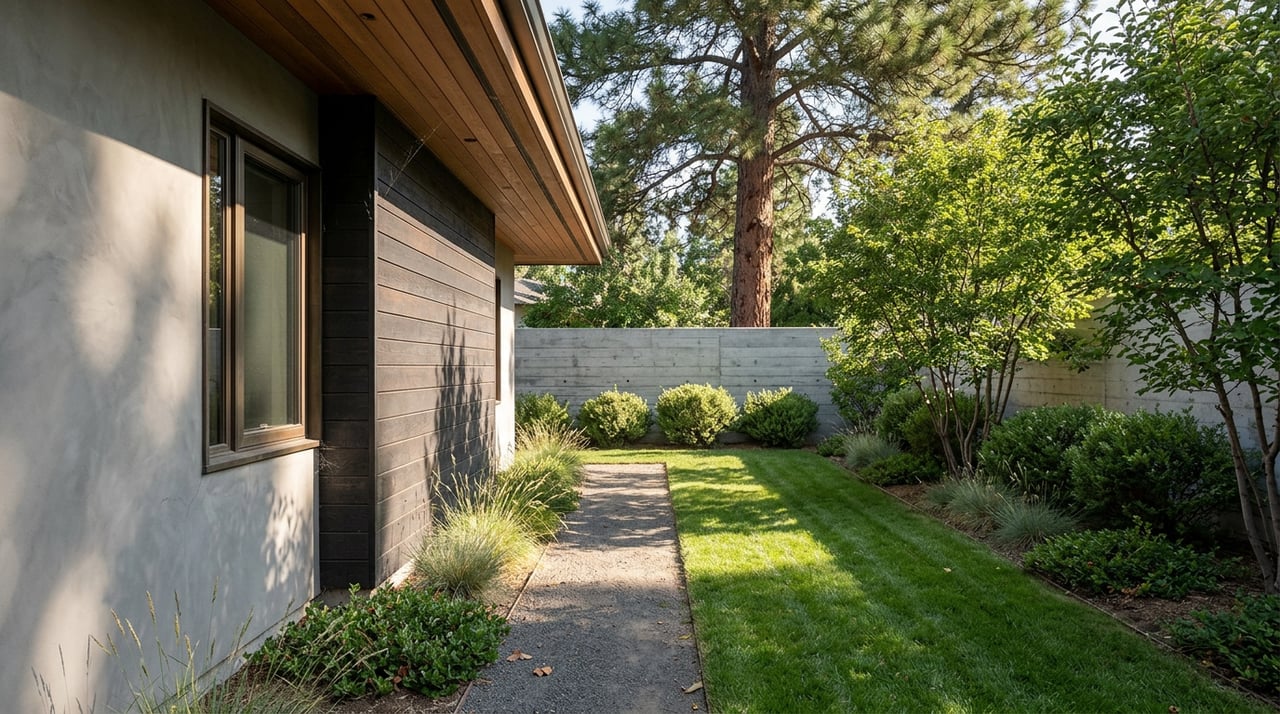
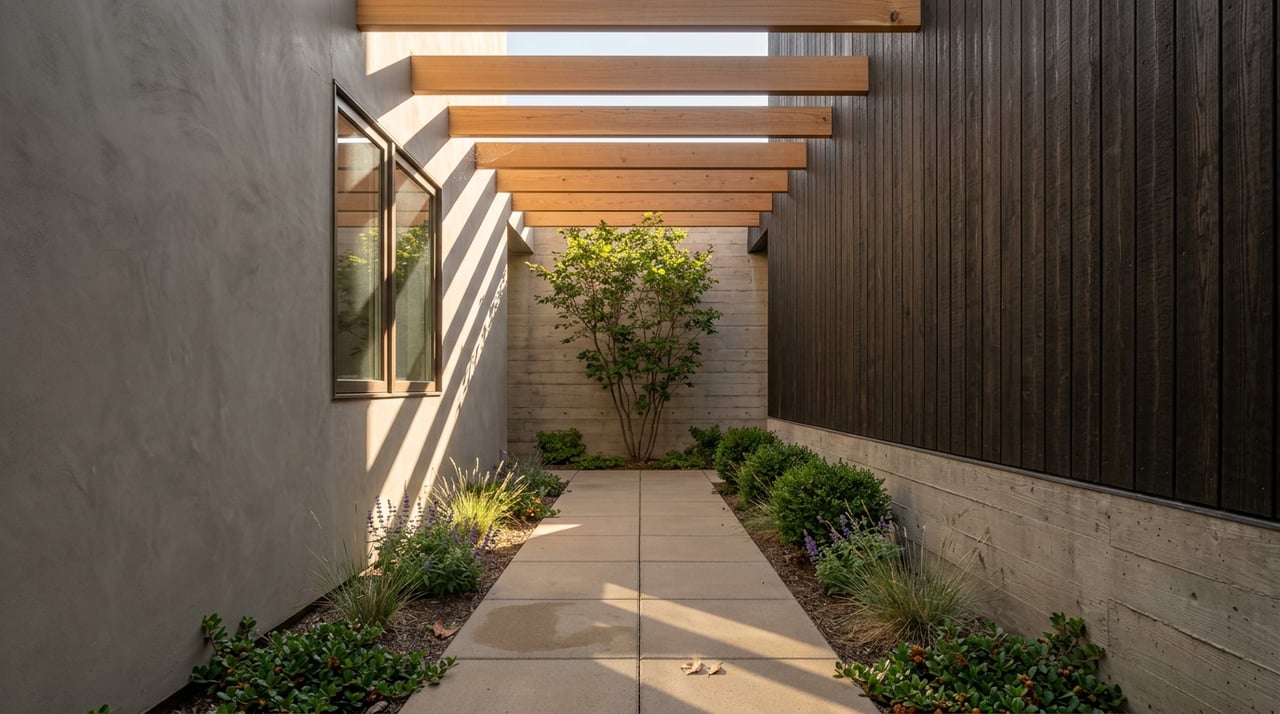
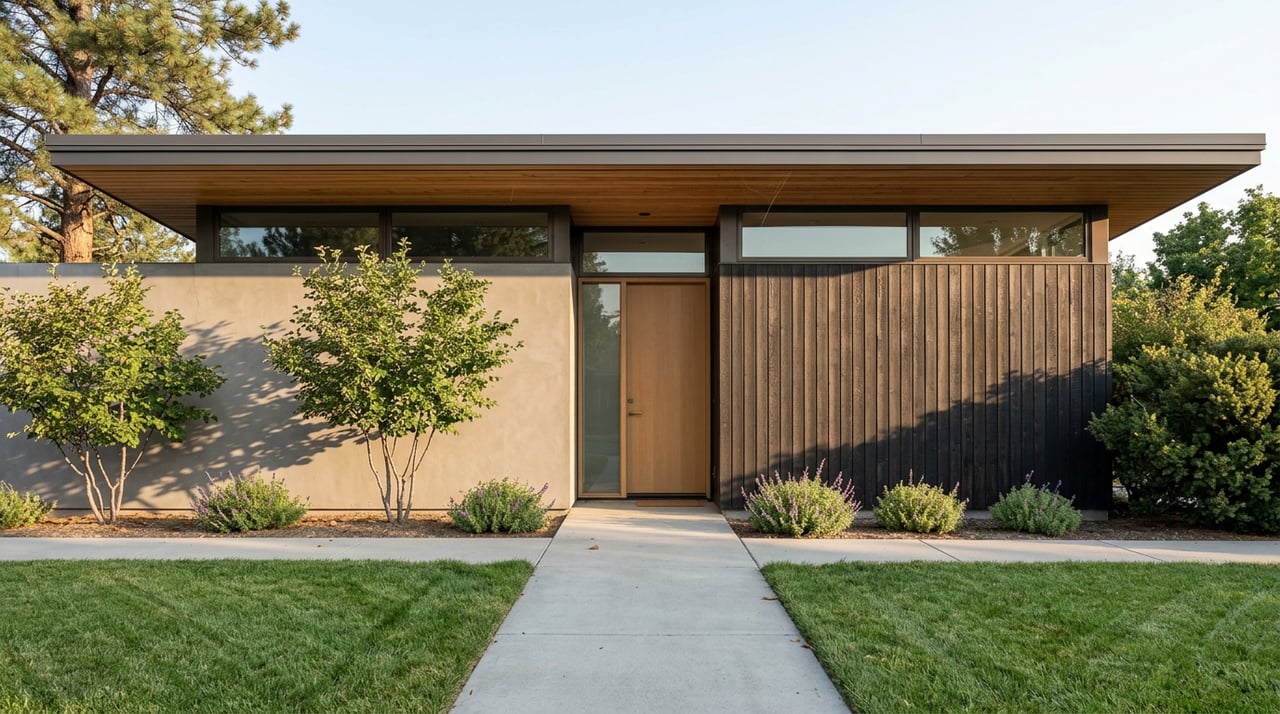
Most recent builds here lean modern or modern mountain in style, with floor plans designed for flexible living and outdoor connection.
- Townhomes typically offer 2 to 4 bedrooms, attached garages, private outdoor space, and flexible layouts that can include dual primary suites or a flex room. Higher-spec units may present elevator options and more refined finishes.
- Detached single-family homes often span 3 to 5 bedrooms with finished basements, indoor-outdoor living, and premium kitchens. You will see features like butler’s pantries, wine storage, and integrated mechanicals.
- Size signals: many recent single-family homes land around 3,000 to 4,400 square feet. Newer townhome models often range from about 1,900 to 2,200 square feet.
Design takeaway: you are paying for contemporary architecture, efficient systems, and lot orientation that captures foothill views and immediate trail access. In this pocket, those attributes support higher prices per square foot compared with broader regional averages.
Pricing and absorption today
Set your expectations using both neighborhood snapshots and regional baselines. HUD’s Boulder Comprehensive Housing Market Analysis reports that new home sales in the broader HMA averaged about $760,300 for the 12 months ending April 2024, with market conditions balanced but softening at that time. Review the HUD Boulder HMA for broader context.
By contrast, new homes in the Wonderland Lake area list substantially higher. Neighborhood snapshots show new listings commonly around a $1.7 million to $3.6 million range, with a median near $1.8 million at the time of research. Days on market can extend for upper-end product, so plan for a longer absorption window, especially for detached homes at the top of the band. If you are underwriting a purchase or a build, work from the most recent closed comps for similar plans and lot orientations rather than relying only on regional averages.
Investor note: recent multifamily deliveries in the Boulder area have influenced rents and vacancy in some submarkets. If your plan includes holding a townhome or smaller unit for rental income, align your underwriting with current vacancy and rent trends. The 2024 Matthews multifamily report provides helpful context.
Policies that shape feasibility
Local rules and updates can change your cost, scope, and schedule. Here are the big ones to watch.
ADUs and flexible options
Boulder aligned its accessory dwelling unit rules with state law and eased several local restrictions. Owner-occupancy and some parking requirements have been eliminated in many cases. ADUs can help with multigenerational living or supplemental income, but size and dimensional limits still apply, and short-term rentals are restricted in most ADU situations. Check the City’s ADU guide for current standards.
Affordable housing impact fee
On November 6, 2025, the City adopted Ordinance 8712, creating a citywide affordable housing impact fee for replacement homes and substantial additions. It applies to building permit applications filed on or after January 31, 2026. The structure described by the City is $11 per additional square foot, with credits for existing square footage and exemptions for ADU areas and certain smaller homes. If you are considering a teardown with a much larger replacement or a major addition, this can materially change your pro forma. Review the City’s ordinance summary and nexus study.
Wildfire WUI requirements
North Boulder includes areas mapped within the Wildland Urban Interface. Boulder adopted the 2024 International WUI Code with local amendments, which adds hardening and defensible space requirements for mapped properties. Expect potential cost increases for roofing assemblies, ember guards, and exterior details. It is essential to verify whether a lot is in the WUI and to plan accordingly. Start with the City’s WUI code page.
Floodplain updates and mitigation
Floodplain mapping around Wonderland Creek changed with the recent mitigation projects. If a parcel falls within the remapped 1 percent annual chance floodplain, it may face elevation, mitigation, or insurance requirements that affect the building envelope and costs. Use the Wonderland Creek project page to confirm parcel status.
Site review thresholds
Larger infill or multi-unit redevelopment can trigger discretionary Site Review, which adds design conditions and time. Smaller, single-lot replacements may move faster but still must meet land use criteria. Before you commit, confirm your zoning and whether your scope crosses any program thresholds. Consult the City’s Site Review Application Guide.
Due diligence checklist
Before you write an offer or launch a build, verify these items. Each one can be a cost or timing driver.
- Confirm zoning and Site Review triggers for your exact scope. Use the City’s Site Review Application Guide for thresholds and criteria. See program details and contacts.
- Model the affordable housing impact fee if you plan a teardown or major addition. Include the $11 per added square foot exposure and note ADU and small-home exemptions. Review the City’s ordinance summary.
- Check floodplain status and creek setbacks, especially near Wonderland Lake and Wonderland Creek. Factor mitigation and insurance if inside the 1 percent floodplain. Start with the creek project page.
- Verify WUI mapping and construction requirements. Budget for hardening and longer reviews if mapped in the WUI. Read the City’s WUI guidance.
- Confirm open space or trail easements. Lots near the lake loop and trailheads can have easements or maintenance constraints. Check the Wonderland Lake trail page for context.
- Review HOA documents if applicable. Understand dues, reserves, and use restrictions that impact carrying costs or rental flexibility.
- Estimate utility connection and impact fees. Contact Water, Wastewater, and Stormwater for meter sizing and system development charges.
- Pull recent closed comps for similar plans and lot orientations. In this pocket, view, finish level, and outdoor living can outweigh raw square footage.
- Commission geotechnical and drainage reviews for sloped or creek-adjacent parcels. Early discovery here can save time and rework later.
- Budget realistic timelines. Add contingency for multiple review rounds, public meetings, or design revisions if your scope triggers discretionary processes. Use the Site Review Guide to outline steps.
Buyer, builder, investor fits
Owner-occupier fit
If you value modern systems, low near-term maintenance, and direct access to trails, a finished new build or townhome near Wonderland Lake can be an excellent match. Confirm HOA governance, pet policies, and any rental limits to ensure the lifestyle fit.
Small-developer fit
A teardown to larger replacement can work if the parcel supports total costs, including demolition, new construction, potential WUI hardening, flood mitigation, and the $11 per square foot impact fee when applicable. Pay close attention to Site Review triggers that can introduce time and design conditions.
Investor fit
For income-oriented buyers, townhomes may offer lower entry prices and simpler HOA structures. Underwrite conservatively with current rent and vacancy trends, and confirm rental restrictions. Reference recent multifamily trends for context.
Red flags to pause and verify
- Parcel sits inside the remapped 1 percent floodplain. Expect mitigation, elevation, and insurance requirements.
- Property is mapped into a stricter WUI class. Budget additional hardening and possible review time.
- Scope triggers Site Review and may face public hearings. Add time and design-contingency budgets.
How to spot value fast
- Compare by plan, not just price per square foot. In North Boulder, plan efficiency, outdoor living, and light matter as much as size.
- Track micro-location. Orientation to Wonderland Lake paths, greenways, and underpasses can change day-to-day livability.
- Verify what is included. Energy equipment, window packages, and outdoor rooms vary widely among builders.
- Confirm what is new versus remodeled. Recent systems and envelope upgrades can reduce ownership costs.
Trail and lifestyle context
Wonderland Lake anchors a quiet pocket with immediate access to Open Space and Mountain Parks. The loop trail and nearby path network are major quality-of-life draws, and they are frequently highlighted in new-home marketing for this area. If daily trail access is a priority, validate proximity on foot and note crossings and underpasses during peak times. Browse the City’s Wonderland Lake trail page for an overview.
Plan your next steps
- Walk recent enclaves. Visit the Locust, Union, and Violet blocks to calibrate finishes, layouts, and streetscapes. Koelbel’s Violla overview is a helpful reference point.
- Align with policy. Confirm whether your target lots are affected by the affordable housing impact fee, WUI rules, and any floodplain conditions. Start with the City’s ordinance summary, WUI code page, and Wonderland Creek project page.
- Use regional baselines wisely. Anchor expectations with HUD’s HMA price averages, then adjust for the premium that Wonderland Lake new builds command. See the HUD Boulder HMA.
- Confirm process risk early. If your plan edges into multi-unit or larger scopes, review Site Review thresholds so you can budget time and design resources. Review the Site Review Guide.
North Boulder offers a rare blend of design-forward homes and everyday trail access. If you calibrate price, policy, and parcel realities up front, you can secure a property that lives beautifully and performs over time.
Looking for curated opportunities, pocket listings, or builder introductions around Wonderland Lake and North Boulder? Connect with Marybeth Emerson to align your wish list with on- and off-market options and to navigate design, entitlement, and negotiation with confidence.
FAQs
What price range should I expect for new homes near Wonderland Lake?
- Recent neighborhood snapshots show many new builds listing around $1.7 million to $3.6 million, with a median near $1.8 million, well above regional baselines.
How does Boulder’s affordable housing impact fee affect a teardown?
- For permits filed on or after January 31, 2026, most replacement homes and substantial additions owe about $11 per added square foot, with credits and some exemptions.
Do ADU rule changes make new builds more flexible?
- Yes, Boulder eased several ADU restrictions and aligned with state law, though size limits apply and most ADUs face short-term rental limits.
What wildfire rules apply in North Boulder’s WUI areas?
- Properties mapped into the WUI must meet specific hardening standards, such as ember-resistant details and defensible space, which can increase costs.
How did Wonderland Creek projects change flood risk?
- Channel improvements and FEMA remapping effective March 18, 2024, reduced risk in some reaches and altered which parcels are in the 1 percent floodplain.
When does a project trigger Site Review in Boulder?
- Thresholds vary by zoning and scope; larger or multi-unit infill typically requires Site Review, which adds time and design conditions, while single-lot projects may move faster.