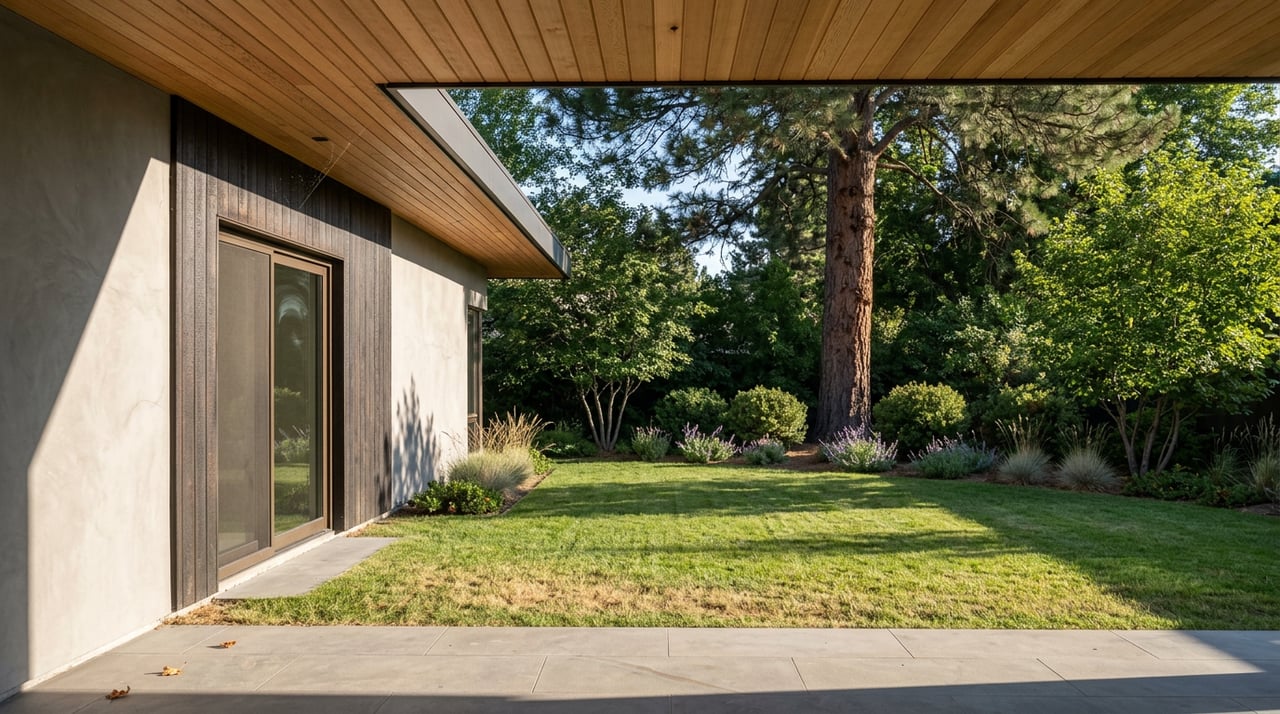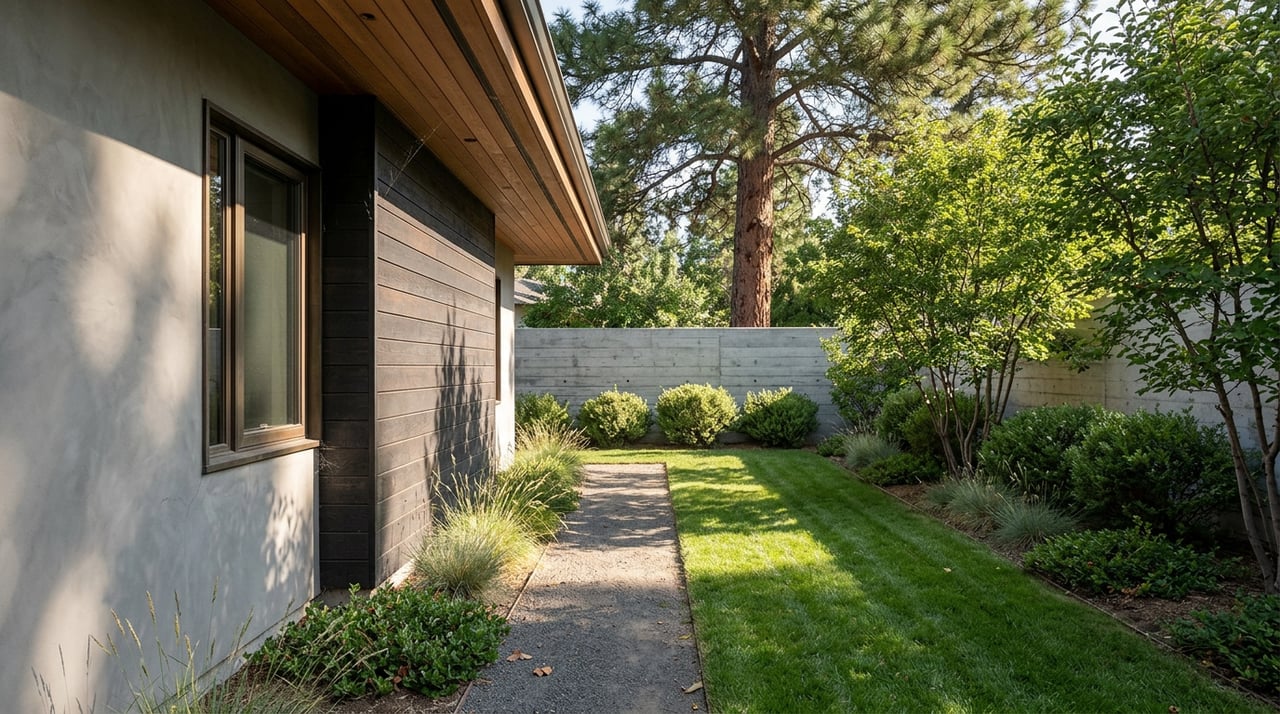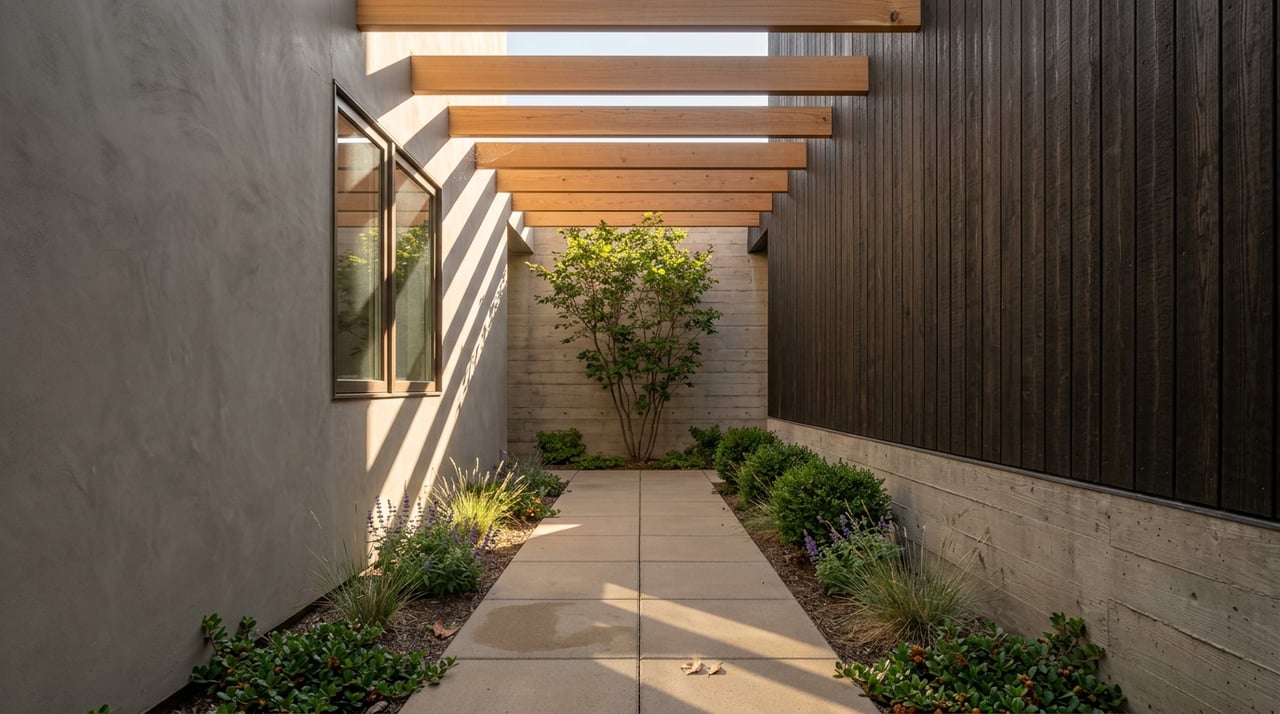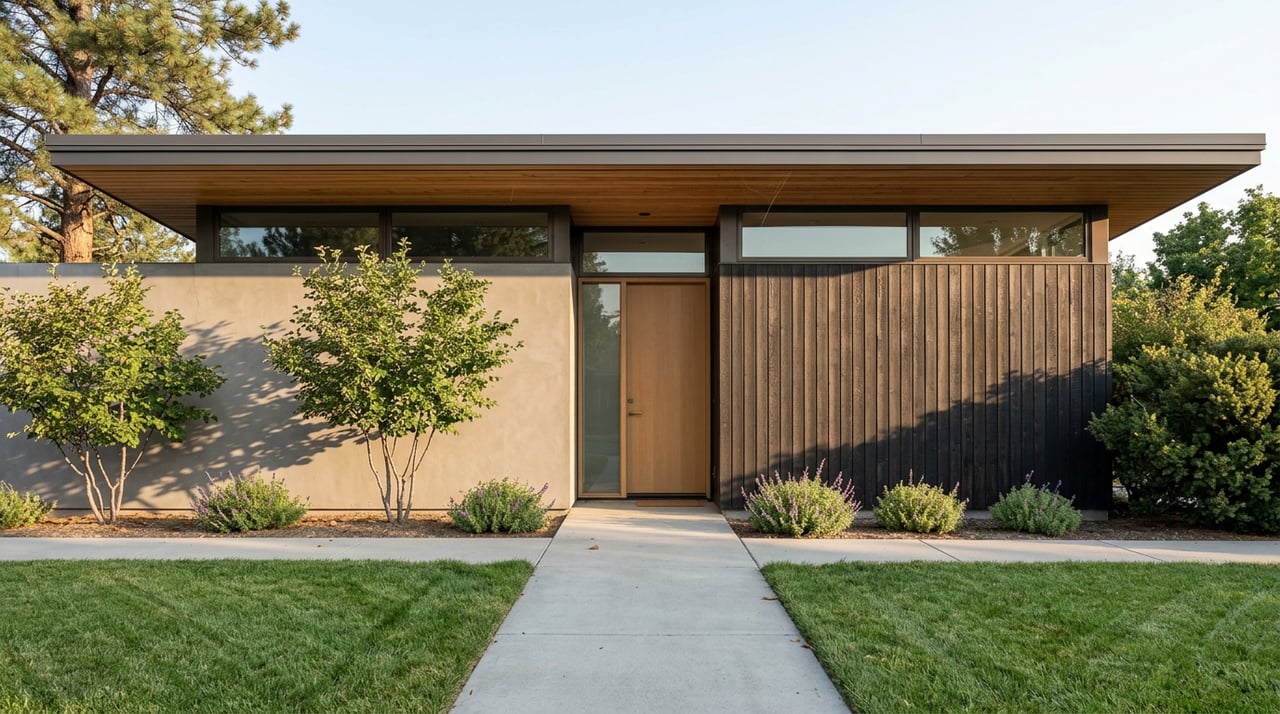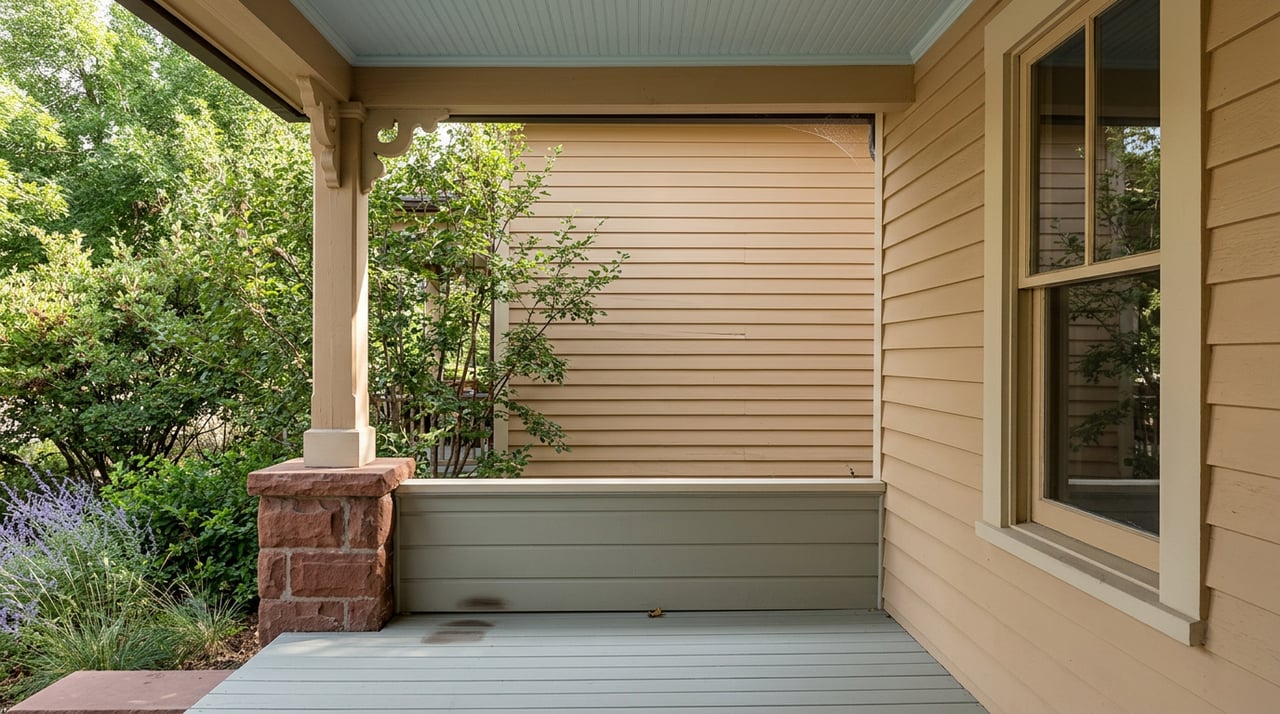
A buyer walks a Chautauqua cottage on a Sunday, pictures a rear addition with steel windows, and asks their broker whether the historic district will let them do it. The honest answer is almost never a straight yes or no. It is a question about which side of a 40-acre line the property sits on, whether the house has crossed the 50-year threshold that triggers a separate review, and how many weeks the calendar can absorb before a construction loan starts to strain.
That is the mechanism most Chautauqua listings never surface, and it is the mechanism a serious buyer needs to price before writing an offer. The premium is real. So is the toolkit that offsets it. Both live inside the same file.
The 40-acre line most listings blur
The Chautauqua Park Historic District is smaller than the neighborhood most people call Chautauqua. It covers roughly 40 acres, was created by the City of Boulder in 1978, and contains five large public buildings plus more than 100 residential cottages, bordered on three sides by open space at the base of the Flatirons. The Colorado Chautauqua is also a National Historic Landmark, one of only 25 in Colorado.
Homes on adjacent blocks may sit outside the district boundary entirely. Others are individually landmarked. A third group is neither, but old enough to trigger a different review. Before writing an offer, the first document to pull is not the disclosure packet. It is the City of Boulder's Map of Historic Districts and Landmarks, because the rest of the analysis depends on which of three buckets the address falls into.
Inside the district. A Landmark Alteration Certificate is required for every exterior change.
Individually landmarked. Same LAC requirement, plus the honor of being one of Boulder's 200-plus individual landmarks with the strictest review standards.
Older than 50 years, not designated. No LAC, but any permit that reads as demolition or major structural alteration triggers Historic Preservation Demolition Review.
The stop-work order at the Auditorium, read as a warning
If the review process felt like a formality to anyone, the Colorado Chautauqua Association's own experience closed that door in May 2026. The organization was racing to winterize the 1898 auditorium ahead of Sundance programming when the city issued a stop-work order. City planning manager Kristofer Johnson told Boulder Reporting Lab that "extensive structural work and demolition was illegally performed before a building permit or landmark alteration certificate application had been submitted to the city."
CEO Shelly Benford acknowledged the crew had gone beyond a fire-suppression permit already in hand. By that point the CCA had raised about $8 million through private donations and Colorado Educational and Cultural Facilities Authority bonds, plus a $250,000 State Historical Fund grant, and still needed six to seven million more. If the institution charged with stewarding the district's most iconic building can get caught skipping a step, a private owner attempting a rear addition on a private cottage should assume the enforcement is real.
What an LAC actually covers, and the calendar that comes with it
The scope of an LAC is broader than most first-time buyers guess. The city treats paint color as an exterior change. So are re-roofing, window and door replacement, porch enclosures, fencing, mechanical equipment, solar panels, hardscape, and the removal of mature trees. Interior work, by contrast, is not reviewed. A kitchen gut, a full re-plumb, radiant floors, structural upgrades hidden inside the envelope: all outside the LAC lane.
The calendar is where a transaction gets exposed. Approvals handled at the staff or Landmark Design Review Committee level generally run two to four weeks, with an additional two to three weeks tacked on for each subsequent round. Projects that route to the full Landmarks Board can take six weeks to three months. LAC approvals expire after one year and cannot be extended, so a permit that stalls forces a fresh application.
| Project scope | Typical review path | Timeline to plan for |
|---|---|---|
| Repaint in an approved palette, in-kind re-roof | Staff or LDRC | 2 to 4 weeks |
| Window or door replacement, small addition, fencing | LDRC, often to Board | 4 to 8 weeks |
| New freestanding construction over 340 sq ft, demolition, relocation | Full Landmarks Board | 6 weeks to 3 months |
The Landmarks Board meets on the first Wednesday of each month, and the City Council has 14 days to call up an approval or 30 days to call up a denial. A buyer running a 45-day close with a rate lock should build the LAC calendar into the contingency structure rather than the wish list.
The 50-year rule that catches everyone else
The trap most buyers do not see sits outside the district boundary. Any home in Boulder older than 50 years, whether or not it is designated, is subject to Historic Preservation Demolition Review when the permit application reaches a threshold the city treats as demolition. Enlarging window openings, removing an enclosed front porch, or reworking substantial exterior walls can be enough to route a project into that review. Given how much of Chautauqua-adjacent housing stock was built well before 1975, the rule catches homes their owners assumed were unregulated.
The practical consequence is that a buyer touring a cottage outside the district line should still pull the year built from the Boulder County Assessor's record and ask a preservation planner whether the intended scope trips demolition review. A house without an LAC obligation but with a demolition-review file is not "free to remodel." It is a different, sometimes slower, review path.
The incentives that quietly offset the premium
Trade estimates place historically appropriate restoration in Boulder somewhere between 15 and 50 percent above standard renovation costs, depending on materials and labor. That premium is easy to see. The offsets are less visible, and a well-structured budget captures more than one.
- State Income Tax Credit. Twenty percent of qualified rehabilitation costs can be applied as a direct credit against Colorado income tax, up to a maximum of $50,000 per property, spread across up to 10 years. Available for landmarked properties and contributing buildings in local historic districts.
- City sales-tax waiver on construction materials. Available at building-permit application when at least 30 percent of material value is attributable to the exterior, referenced in Section 3-2-6(w) of the Boulder Revised Code and tied to an approved LAC.
- Federal 20 percent Investment Tax Credit. Available only for approved rehabilitation of National Register properties used for income production, including rental housing or a rented ADU. Not applicable to an owner-occupied primary residence, but relevant to Chautauqua owners who lease a cottage or accessory unit.
- Colorado State Historical Fund grants. Non-competitive awards up to $35,000 and competitive awards from $35,001 to $200,000, with private owners applying through the City of Boulder. The same fund contributed $250,000 to the Auditorium project.
- No LAC application fee. The review itself does not carry a filing cost, though architectural documentation and preservation-qualified labor do.
Stacked properly, these incentives can neutralize a meaningful share of the preservation premium. That math belongs in the underwriting spreadsheet before contract, not after closing.
Reading a Chautauqua listing through the district file
The listing photos rarely tell a buyer which side of the line a property is on. The public record does. Before writing an offer on anything within a walk of the Auditorium, ask for or pull:
- The property's status on the city's Historic Districts and Landmarks map
- The Boulder County Assessor's Historic Building Inventory Form or Tax Assessor Card for year built
- The Chautauqua district design guidelines, which anchor character-defining features to Lyons stonework, one-story wood-frame cottages, gabled or hipped roofs, double-hung windows with plain surrounds, and a prescribed historic paint palette
- Any prior LAC approvals or denials on the parcel, which set the tone for what the Landmarks Board considers compatible on that block
- The parcel's status as contributing or non-contributing, which governs eligibility for the state tax credit
A broker who has walked those five documents before a showing is priced differently than one who reads the listing sheet in the driveway. That difference tends to show up in the negotiation, not the price per square foot.
FAQ
Does the LAC apply if I want to add solar panels on a Chautauqua cottage?
Yes. Solar panels are treated as an exterior change and require an LAC, with placement and visibility from the public right of way weighted in the review.
Can I paint my cottage any color I want if the exterior work is otherwise like-for-like?
No. Paint color is an exterior change under the ordinance, and Chautauqua's design guidelines reference a prescribed palette of historic colors intended to preserve the camp-like feeling of the district.
If my home is a block outside the district and only 60 years old, am I in the clear to remodel?
Not quite. The property is exempt from the LAC process but not from Historic Preservation Demolition Review, which the city applies when a permit application meets its threshold for demolition or major structural alteration on any building older than 50 years.
The homes inside and beside the Chautauqua Park Historic District reward owners who understand the file before they fall for the porch. If you are weighing a purchase in Chautauqua and want the district map, prior LAC history, and incentive stack read against a specific address before you write an offer, Marybeth Emerson can walk the parcel with you. Schedule a Consultation to start with the record, not the listing.