If you want a Boulder lifestyle that feels both rooted and active, the historic blocks around downtown stand out fast. In this part of the city, daily life can mean old-growth trees, landmark architecture, coffee on foot, and an easy path to trails or a show later that night. If you are weighing a move to Mapleton Hill or nearby central Boulder, understanding how the area actually lives day to day can help you decide with confidence. Let’s dive in.
Historic character shapes daily life
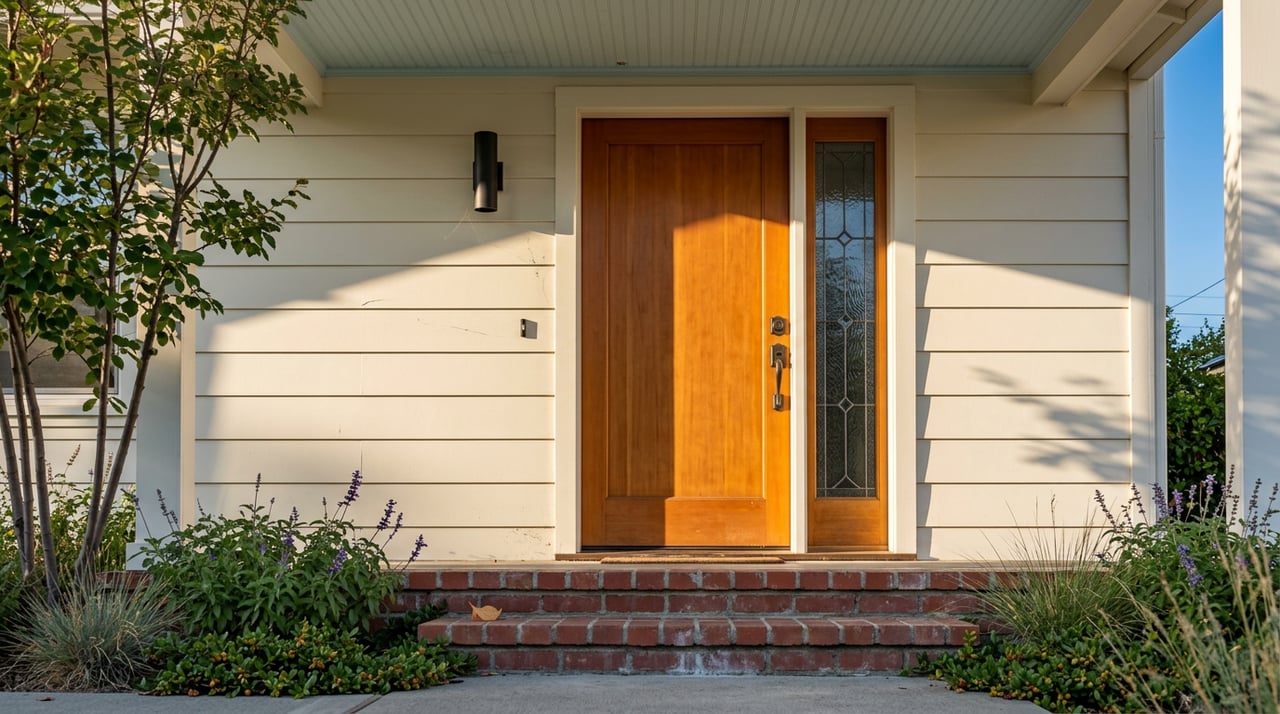
Mapleton Hill and downtown sit within Boulder’s oldest central growth pattern, with residential areas that expanded in the late 1800s. That history still shows up in the streetscape today, from older homes and mature trees to preserved commercial buildings in the central core.
Mapleton Hill was designated Boulder’s third and largest historic district in 1982. Visit Boulder notes that Mapleton Avenue between Broadway and 4th Streets is especially known for stately homes and old-growth trees, which gives the area a distinct sense of place.
Downtown offers a different version of historic living. Pearl Street Mall sits inside the Downtown Historic District, which the city describes as the largest and most architecturally significant group of commercial buildings in Boulder.
For you as a buyer or homeowner, that history is not just visual. The city says historic districts can include buildings, parks, sidewalks, tree canopy, and the spaces in between, and exterior changes to landmarked properties or homes within a historic district require review through a Landmark Alteration Certificate.
What historic review means for homeowners
Historic designation often appeals to buyers who value continuity and neighborhood character. In practical terms, it means Boulder intentionally preserves the look and feel of these districts while still allowing them to evolve over time.
If you are considering a historic home in Mapleton Hill or near downtown, it is worth thinking about your long-term plans early. Exterior updates may involve a review process, which can affect timing, design decisions, and the scope of future work.
That does not make ownership less appealing. For many buyers, it is part of the value, especially when the goal is to live in a setting where the historic fabric is actively protected.
Walkable mornings in central Boulder
One of the biggest draws of living near downtown Boulder’s historic blocks is how easy a morning routine can feel. The central core offers a dense lineup of coffee stops, including Spruce Confections, Boxcar Coffee Roasters, OZO Coffee Roasters on East Pearl, Laughing Goat Coffeehouse, and Trident Booksellers and Cafe.
That kind of concentration changes your routine in small but meaningful ways. You can step out for coffee, meet someone casually, or turn a short walk into part of your workday rhythm without needing to plan around a drive.
The Boulder Public Library’s Main Library adds another useful layer to daily life. It includes a café, meeting and study rooms, printing and copying, a used bookstore, and BCycle library passes, making it more than just a traditional library stop.
Errands without leaving the core
Central Boulder also supports the practical side of everyday living. Downtown Boulder’s listings identify Lolita’s Market & Deli as downtown’s only full-service market and deli, while Pearl Convenience offers snacks, drinks, grocery items, and other convenience goods.
That means quick errands can stay quick. Instead of building your day around a larger trip, you may be able to pick up essentials while walking back from coffee, heading home from work, or spending time on Pearl Street.
Specialty shops add to that convenience. Stops like Savory Spice and Peppercorn make it easy to grab a few items on the way home, which helps downtown living feel functional, not just picturesque.
Pearl Street sets the social rhythm
Pearl Street Mall plays a major role in the energy of the area. The city describes it as a four-block outdoor pedestrian destination with musicians and street performers on many nights, along with seating, public restrooms, vendor structures, art installations, and play nodes.
This creates a steady public rhythm that shapes life nearby. Even if you are not planning a full night out, you can still enjoy the atmosphere through a short stroll, a casual dinner, or a stop to watch a performance.
Downtown Boulder also emphasizes the area’s local shops, restaurants, galleries, and events. For many residents, that makes the historic core feel active in an everyday sense rather than only during major occasions.
Culture stays close to home
If you value access to arts and entertainment, central Boulder keeps several venues within a compact radius. Boulder Theater offers live music, film, and comedy in a historic setting, while BMoCA operates in a historically landmarked warehouse building downtown.
The Museum of Boulder sits just a few blocks from Pearl Street, and the Dairy Arts Center houses visual arts, theater, film, dance, and music. The Main Library’s Canyon Theater adds another civic performance venue to the mix.
The result is a lifestyle where culture can fit into your week naturally. A gallery visit, a museum stop, or an evening show can happen without turning into a major outing.
Outdoor access is part of the routine
One of Boulder’s biggest lifestyle advantages is how quickly city life connects to outdoor space. The Boulder Creek Path is a popular 5.5-mile multi-use path that runs through downtown and past the Main Library, Civic Area Park, and the Dushanbe Teahouse.
That makes it easy to fold movement into your day. A morning walk, bike ride, or midday reset can begin close to home, which is part of what makes central Boulder feel so livable.
The city also notes that Boulder has more than 300 miles of bike and multi-use paths and more than 155 miles of open-space trails. For buyers who want access without constant planning, that network matters.
From creek path to foothill trails
Living near downtown does not mean giving up quick access to bigger outdoor experiences. Chautauqua Trailhead at 900 Baseline Road is open daily, and the city notes that many trails are accessible from it.
Options there include Chautauqua Trail, which the city describes as a high-traffic easy to medium route, Royal Arch, a classic medium to hard hike reached via Bluebell Road from the Chautauqua Trailhead, and NCAR, an easy to medium mobility-friendly trail with Flatirons views.
For longer outings, the Mesa Trail connects through forests and meadows beneath the Flatirons and links to nearly all canyon trails along Boulder’s mountain backdrop. In practical terms, that means your everyday routine can start with an in-town path and scale up to a more ambitious hike when you have the time.
Mapleton Hill’s lifestyle appeal
Among central Boulder neighborhoods, Mapleton Hill stands out for buyers who want a residential setting with strong historic identity. The combination of tree-lined streets, notable homes, and proximity to downtown creates a lifestyle that feels both established and connected.
If you are drawn to homes with architectural presence and a neighborhood with visible continuity, Mapleton Hill can be a compelling fit. It offers close access to downtown conveniences while maintaining a distinct residential feel.
For luxury buyers in particular, the area often appeals on more than location alone. Historic context, preservation standards, and the quality of the streetscape can all play into long-term value and the experience of ownership.
Tradeoffs to consider honestly
No neighborhood is perfect for every buyer, and central Boulder’s historic core has a few tradeoffs worth noting. The same pedestrian energy that makes the area lively can also mean seasonal crowds and more activity around Pearl Street and nearby destinations.
Parking can also be a factor, especially near major trailheads and the mall. The city encourages carpooling, walking, or biking at Chautauqua because the area can be crowded and parking can be challenging.
For some buyers, historic-review requirements are another important consideration. If you prefer minimal oversight for exterior changes, newer areas may feel simpler. If you value preserved character, those same rules may feel like a benefit.
Who this area tends to fit best
The historic blocks around downtown Boulder tend to be strongest for buyers who prioritize walkability, architectural character, and immediate access to culture and trails. If you want your neighborhood to support coffee runs, library stops, local errands, and outdoor time in the same day, this part of Boulder delivers a rare level of convenience.
It may be less ideal if you want a lower-activity environment or fewer preservation-related considerations. But if your goal is to live in a part of Boulder where history, public life, and outdoor access all overlap, Mapleton Hill and the surrounding central core deserve a serious look.
If you are exploring Mapleton Hill or other distinctive Boulder neighborhoods, working with a broker who understands design, positioning, and the nuances of historic and high-value homes can make the search far more strategic. To discuss lifestyle fit, property opportunities, or discreet options in Boulder’s central neighborhoods, connect with Marybeth Emerson.
FAQs
What is everyday life like near Mapleton Hill in Boulder?
- Everyday life near Mapleton Hill often includes walkable access to downtown coffee shops, errands, Pearl Street activities, the Main Library, and nearby outdoor paths and trails.
What makes Mapleton Hill different from downtown Boulder?
- Mapleton Hill is known for its residential historic character, mature trees, and notable homes, while downtown Boulder offers a more commercial and pedestrian-focused setting centered around Pearl Street Mall.
What should buyers know about historic homes in Mapleton Hill?
- Buyers should know that exterior changes to landmarked properties or homes within a historic district require review through Boulder’s Landmark Alteration Certificate process.
Are errands easy to handle near downtown Boulder’s historic blocks?
- Yes, the downtown core includes practical everyday stops such as Lolita’s Market & Deli, Pearl Convenience, and specialty shops that support walkable errands.
How close are trails from central Boulder neighborhoods like Mapleton Hill?
- Central Boulder offers quick access to the Boulder Creek Path through downtown, and larger trail systems such as Chautauqua and Mesa Trail are also close by.
Is living near Pearl Street Mall very active?
- It can be, because Pearl Street Mall is a well-used pedestrian destination with shops, restaurants, public seating, art installations, and frequent street performers.
Who is a good fit for Mapleton Hill and nearby historic blocks?
- Buyers who value walkability, preserved character, cultural access, and close-to-home outdoor options often find this area especially appealing.