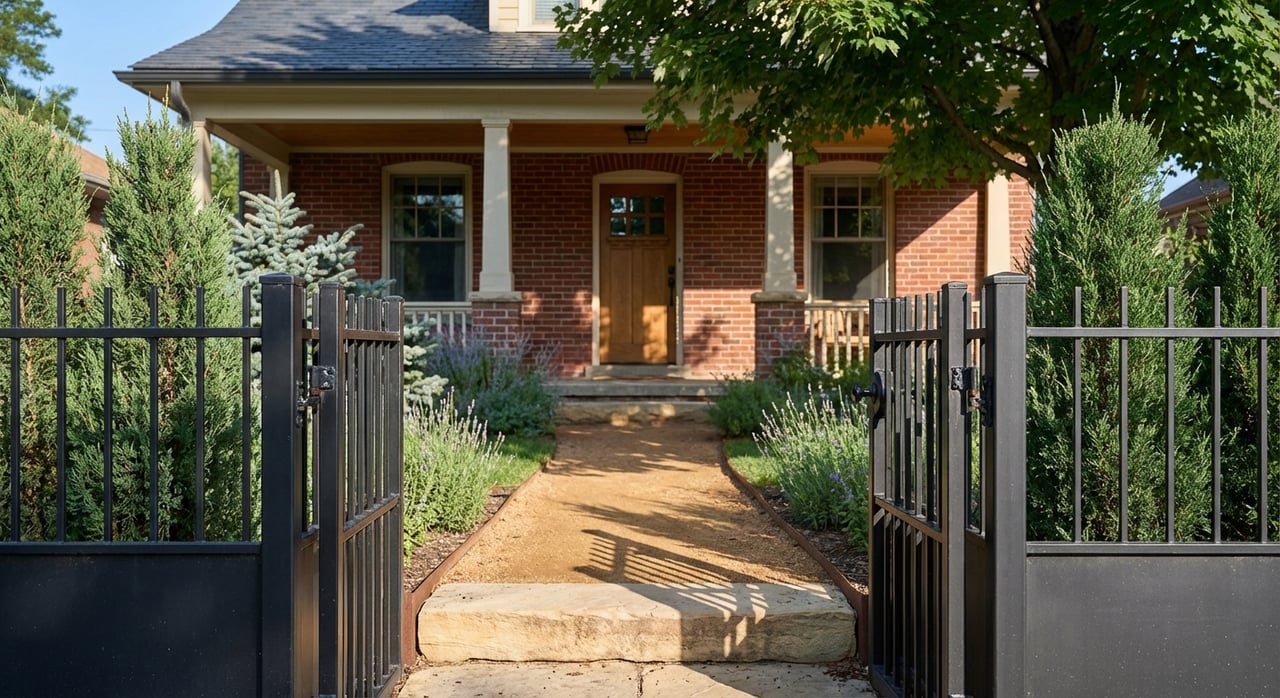
Want to sell your Mapleton Hill home without turning your life into a public open house? You can protect your privacy, honor your home’s history, and still reach qualified buyers who understand its value. This guide covers the approvals you must know, staging that respects period architecture, and discreet marketing options that follow the rules and keep leverage on your side. Let’s dive in.
Mapleton Hill essentials
Mapleton Hill is one of Boulder’s locally designated historic districts with many late‑19th and early‑20th century homes. The neighborhood’s mature trees, architectural variety, and central location draw strong interest from buyers who value character and setting. Inventory is tight, and the district’s exterior protections shape buyer expectations and pricing. Review the City’s overview of local districts to understand how the designation affects your sale plan and timing through approvals and guidelines. City of Boulder: Landmarks and Historic Districts
Approvals you cannot skip
Landmark Alteration Certificate basics
If your property is individually landmarked or inside a Boulder historic district, exterior changes require City review through a Landmark Alteration Certificate, also called an LAC. This is a formal requirement. It applies to routine work visible from the street, including roofing, repainting, fences, and tree removal. Start here for steps, forms, and contacts: Landmark Alteration Certificate application and review.
What triggers review
Common LAC triggers include:
- Roofing, siding, and exterior paint
- Window and door repair or replacement
- Porches, additions, and new exterior stairs
- Fences, paving, and hardscaping
- Solar installations with specific submittal needs
Landscaping is usually not reviewed unless it involves paving, hardscaping, or removal of mature trees visible from the right‑of‑way.
How to apply and timeline
Typical submittals include photos, cut sheets, site plans, and for larger scopes, elevations, renderings, and a written statement showing how your proposal meets review criteria and local design guidelines. Plan your calendar:
- Completeness check: about 5 to 7 business days
- Staff or LDRC review: about 2 to 4 weeks for many administrative approvals
- Landmarks Board review: about 6 weeks to 3 months for larger scopes or demolition
There is no separate LAC application fee. Approvals expire in one year if not picked up with a building permit. Build these steps into your pre‑listing timeline so you do not rush work right before marketing.
Mapleton Hill design guidance
Mapleton Hill has district‑specific design guidelines that interpret the Secretary of the Interior’s Standards for the local context. The guidance covers appropriate replacement materials, repair strategies for windows and porches, and preferred solar placements that avoid public views. Reviewing the document early will save rework and help your contractor price the right approach. Mapleton Hill and district design guidelines
Easements and title checks
Some historic homes carry a preservation or facade easement. This is a recorded legal agreement that limits alterations in perpetuity and binds future owners. It must be disclosed and will appear in a title search. Confirm the scope early, including any exterior, interior, or landscaping coverage, plus the contact for the easement holder. Learn more about how easements function and why they affect marketability: Preservation easements explained.
Use incentives to fund smart prep
Colorado state tax credits
Colorado offers a 20 percent state historic preservation income tax credit for qualified residential rehabilitation costs. For owner‑occupied homes, the cap is up to 100,000 dollars per qualified property on a rolling 10‑year basis, effective 2025. The City of Boulder administers local review for residential credits and offers a sales‑tax waiver for eligible exterior work in some cases. You must start the application process before finishing the work. Get the process and forms here: State Historic Preservation Tax Credits.
If you plan to sell after a major rehabilitation, confirm any program documentation or timing rules. The City will not certify work retroactively in all cases, so loop in City historic staff and a tax professional early.
Stage for period architecture
Principles that sell
Buyers of historic homes want authenticity and function. Preserve character‑defining features in your presentation, such as original mantels, staircases, trim, built‑ins, and windows. Keep finishes neutral and let the architecture lead. National guidance stresses repair and retention over replacement, which also reads as quality to discerning buyers. Review the core standards here: Secretary of the Interior’s Standards for Rehabilitation.
Room‑by‑room moves
- Entry and living areas: Clear visual clutter, emphasize scale and millwork, and use soft furnishings that do not cover details.
- Kitchen: If modernized, show how new systems were integrated with period‑sensitive choices such as custom panel fronts or traditional hardware. Document systems in a separate info packet for vetted buyers.
- Bathrooms: Update for function while retaining historic tile or fixtures where feasible. Use sympathetic replacements when needed.
- Windows and doors: Rehabilitate when possible. If replacement is required, match profiles, muntin patterns, and trim. Keep photos of original features for buyers and for any future preservation reviews.
Pre‑sale repairs that protect value
Order a pre‑listing inspection that covers structure, mechanical, roof, foundation, electrical, and plumbing. Address high‑impact items so buyers can focus on the home’s strengths. For any visible exterior work that could trigger LAC, consult City historic staff and file early so you are not held up by review timelines once you launch marketing.
Market discreetly within the rules
Policy basics
If a property is publicly marketed, the National Association of Realtors Clear Cooperation Policy requires submission to the MLS within one business day. In 2025, NAR added new options that give MLSs flexibility to offer limited, delayed marketing choices with documented seller consent. Local MLS rules control the details, and most Boulder listings use IRES MLS. Confirm with your brokerage how options like office‑exclusive, coming soon, internet display limits, or delayed marketing are implemented in Boulder. Read the national framework here: NAR MLS Clear Cooperation Policy.
Your discreet options
- Office‑exclusive listing (brokerage‑only distribution)
- Pros: Tight control and limited photos or traffic.
- Cons: Large brokerages can still circulate widely. Requires documented seller consent and careful fair‑housing compliance. May still require MLS exempt filing.
- Delayed marketing or coming soon (if allowed locally)
- Pros: Short, controlled exposure while you finalize pricing and staging.
- Cons: Definitions vary by MLS. Mistakes can force MLS submission or create fines. Use written seller instructions.
- True pocket sale (no public marketing)
- Pros: Maximum privacy and potentially faster if a vetted buyer is ready.
- Cons: Reduced exposure can reduce price. Equal‑access and disclosure rules still apply. Document every step.
- Controlled public listing with restricted materials
- Example: Use exterior photos publicly and release interior photos only to pre‑qualified buyers through agent‑managed access. This balances exposure and discretion. Make sure your plan fits MLS and portal rules.
Qualify buyers and use NDAs
For highly private listings, require buyer pre‑approval and an agent reference before showings. Use NDAs for in‑home tours when appropriate to protect privacy and fragile interiors. NDAs are a screening tool. They do not replace MLS obligations or statutory disclosures. Keep written records for all contacts and compliance steps.
A privacy‑first seller workflow
- Choose a listing agent who knows Mapleton Hill approvals and discreet marketing options, including how IRES MLS implements local rules.
- Verify title items: landmark status, contributing status, any recorded covenants, encroachments, and utility records. Confirm any preservation easement and its scope.
- Do pre‑listing technical checks: order an inspection and flag any exterior work that could trigger LAC. Build 2 to 4 weeks for staff approvals and 6 to 12 weeks or more for board referrals into your plan.
- Evaluate incentives: if exterior rehabilitation is planned before sale, start the state tax‑credit process prior to completing work so you do not miss eligibility. State Historic Preservation Tax Credits
- Select a marketing route with your agent: full MLS exposure, MLS with controlled photo display, office‑exclusive, or delayed marketing. Use clear, written seller instructions.
- Stage and photograph: highlight character details, prepare a public hero set, and keep a separate, detailed package for vetted buyers.
- Control showings: pre‑qualify, use agent‑accompanied tours, and avoid public open houses if privacy is a priority.
- Negotiate and disclose: provide the Colorado Seller’s Property Disclosure and any easement or title documents. Follow Colorado and federal rules for older homes.
Required disclosures for older homes
Lead‑based paint
For most homes built before 1978, you must provide the EPA/HUD pamphlet, disclose known information, and give buyers a 10‑day opportunity to test unless they waive it. Review the rule and forms: EPA Lead‑Based Paint Disclosure.
Colorado seller forms
Use the Colorado Real Estate Commission approved Seller’s Property Disclosure and any relevant supplements. Agents must also disclose known adverse material facts. Find the forms here: Colorado Real Estate Commission Suite.
Protect privacy, keep leverage
With the right plan, you can respect Mapleton Hill’s history, meet City requirements, and still sell quietly to the right buyers at the right price. If you want a calm, curated process that balances exposure and discretion, connect with Marybeth Emerson for a confidential strategy session.
FAQs
What is Mapleton Hill and how does it affect my sale?
- Mapleton Hill is a locally designated historic district in Boulder. Exterior changes need City review, which can influence your prep timeline and marketing strategy.
How long does a Landmark Alteration Certificate take in Boulder?
- Plan about 2 to 4 weeks for many staff approvals and 6 weeks to 3 months if the Landmarks Board must review. Start early to keep your launch on schedule.
Can I install solar panels on a Mapleton Hill home?
- Yes, but they are reviewed for placement and visibility. The guidelines generally prefer locations out of public view. Submit an LAC application before installation.
Will discreet marketing reduce my final price?
- It can if exposure is too limited. A controlled plan that screens buyers, limits interior photos, and follows MLS rules can balance privacy with healthy competition.
What tax credits are available for historic homes in Colorado?
- The state offers a 20 percent residential credit for qualified rehabilitation costs, capped up to 100,000 dollars per property on a rolling 10‑year basis. Apply before work is done.
Do I need to disclose lead‑based paint for a Mapleton Hill home?
- If the home was built before 1978, yes. Provide the EPA/HUD pamphlet, disclose known information, and allow buyers a 10‑day testing window unless waived.