If you picture Boulder living as early trail mornings, Flatirons views, and a neighborhood with real history, living near Chautauqua Park is probably already on your radar. It offers a rare mix of outdoor access, recognizable character, and close reach to downtown without feeling removed from the foothills. If you are weighing whether this part of Boulder fits your lifestyle, here is what day-to-day life near Chautauqua Park actually tends to feel like. Let’s dive in.
Chautauqua has a distinct Boulder identity
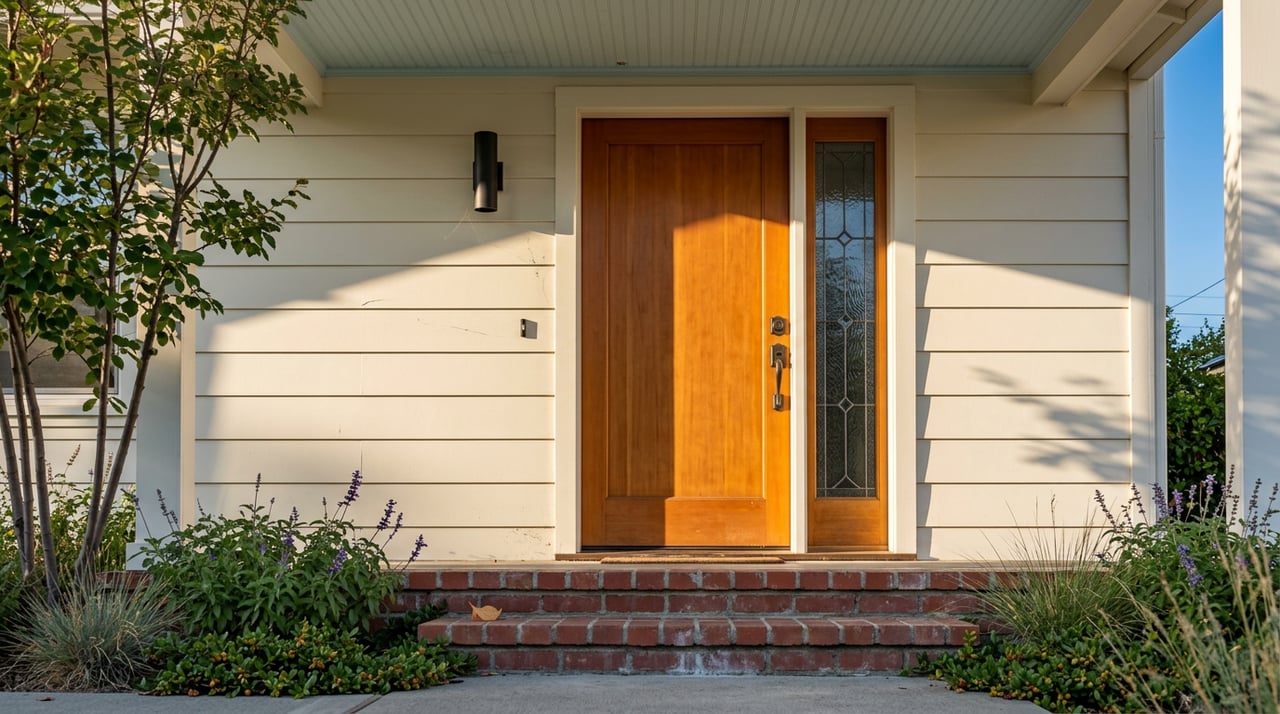
Living near Chautauqua Park means living in one of Boulder’s ten local historic districts. The city designates historic districts for their historic, architectural, or environmental significance, and that status helps preserve the overall character of the area.
For you as a homeowner, that often translates to a more consistent streetscape and a neighborhood that changes more slowly than newer parts of town. It also means exterior changes to designated properties require review, which is important to understand if you are considering updates or restoration work.
The setting feels scenic and central
One of the biggest draws here is how close the area feels to both nature and the city. Colorado Chautauqua sits beneath the Flatirons and describes itself as just minutes from downtown Boulder and the University of Colorado, with Pearl Street Mall and CU about a 15-minute drive or leisurely walk away.
That balance shapes the lifestyle in a real way. You get a foothills backdrop and immediate outdoor access, but you are not far from everyday Boulder destinations, dining, and cultural activity.
Trails become part of your routine
For many people, the biggest lifestyle advantage is simple: the trailhead is right there. The city describes Chautauqua Trail as a 1.2-mile out-and-back route with easy to medium difficulty, and it connects to other paths in the area through Chautauqua Meadow.
If you live nearby, hiking, walking, and time outdoors can become part of your normal weekday rhythm instead of a planned weekend event. The area also serves as a gateway to Boulder’s Open Space and Mountain Parks system, where hiking, climbing, and bird watching are common activities.
Summer starts tend to come early
The city notes that the Chautauqua Trail gets hot without much shade, so earlier starts matter in summer. If you are someone who enjoys morning movement, this tends to fit naturally with the neighborhood’s rhythm.
That seasonal pattern is part of daily life here. In warmer months, mornings can feel especially active as both residents and visitors head toward the meadow and trail network.
The park offers more than hiking
Chautauqua Park is not only about trails. The city lists RTD access, a playground, tennis, pickleball, basketball, open turf, restrooms, and adjacent Open Space and Mountain Parks trails among the area’s amenities.
That gives the neighborhood a broader day-to-day appeal. You may head out for a hike one day, then use the open lawn, sports courts, or park facilities another day without needing to plan a separate outing across town.
Summer brings more activity
One of the clearest tradeoffs of living near Chautauqua Park is that it is a major destination. The city describes the Chautauqua Trail as an extremely high-trafficked attraction used by both tourists and locals.
If you value energy and access, that can be part of the appeal. If you prefer a quieter setting, it helps to know that the area is busiest during peak hiking season.
Parking is managed in summer
From Memorial Day weekend through Labor Day, the city operates the free Park-to-Park shuttle on summer weekends and holidays, with satellite parking at several Boulder stops. During that same period, paid parking is in effect on weekends and holidays near the park and on nearby neighborhood streets.
In fall, winter, and spring, there is no shuttle or satellite parking service and parking at Chautauqua is free. In practical terms, that means summer usually brings more movement, more visitor traffic, and more parking management, while the rest of the year tends to feel calmer.
Dining and coffee are built in
A big part of the lifestyle near Chautauqua is that the grounds are not just scenic. They are also social and functional for everyday use. The Chautauqua Dining Hall operates year-round and has served Boulder since 1898, offering breakfast, lunch, and dinner daily.
The setting adds to the appeal. According to Colorado Chautauqua, the Dining Hall includes a wraparound porch and weekend brunch service, which gives nearby residents an easy option for a casual meal close to home.
Quick stops feel easy here
The General Store adds another layer of convenience, with espresso drinks, pastries, chai, teas, cold beverages, ice cream, and other grab-and-go items. The nearby Chautauqua Café seating area also supports an easy, informal hangout feel.
That means your routine can be simple and local. A walk, a coffee, and some time outside can all happen within the same small area.
Evenings can be more cultural than quiet
Living near Chautauqua Park is not only about outdoor recreation. Colorado Chautauqua’s historic Auditorium hosts concerts and events, including the Colorado Music Festival, and the organization also references film, dance, public art, and speakers.
In cooler months, the Community House becomes a smaller venue for concerts, films, and lectures. There is also HOP 2 Chautauqua service for festival and summer-series events, which reinforces the area’s role as a cultural destination as well as a park setting.
For you, this can make evenings feel more connected and active than in a purely residential pocket. You may have easy access to events and performances without needing to leave the immediate area.
Historic district rules matter for homeowners
If you are thinking about buying near Chautauqua, the historic district status deserves careful attention. The city makes clear that exterior changes to properties within historic districts go through a review process.
That can be a benefit if you value preserved neighborhood character and architectural continuity. It can also add time and process if you plan to renovate, expand, or make visible exterior changes.
Preservation supports long-term character
For many buyers, this review framework is part of what makes the area special. It helps protect the visual identity that gives Chautauqua its enduring appeal.
At the same time, it is wise to evaluate any home with your long-term plans in mind. If you love historic homes, thoughtful restoration, or a preserved setting, this may feel like a strong fit.
Who tends to love living here
Chautauqua often appeals to buyers who want immediate trail access, a historic Boulder setting, and convenient proximity to Pearl Street and CU. It offers a lifestyle that feels highly recognizable and deeply tied to Boulder’s outdoor culture.
It can be especially compelling if you want a home base that supports walking, hiking, coffee stops, dining, and occasional cultural events in one concentrated area. The combination is hard to replicate elsewhere.
The main tradeoffs to consider
The tradeoffs here are usually practical rather than deal-breaking. Summer visitor traffic, paid parking on peak weekends and holidays, and historic-district review for exterior changes are all part of the ownership experience near Chautauqua.
That does not diminish the neighborhood’s appeal. It simply means the lifestyle comes with a little more visibility and seasonal activity than a quieter residential enclave.
What living near Chautauqua feels like overall
In the broadest sense, living near Chautauqua Park feels scenic, active, and rooted in Boulder history. You are close to trails and open space, close to downtown, and surrounded by one of the city’s most recognizable settings.
For the right buyer, that mix is exactly the point. If you want preserved character, everyday access to the outdoors, and a location that feels connected to both nature and the city, Chautauqua stands out.
If you are considering a move in Boulder and want guidance on how Chautauqua compares with other high-demand areas, Marybeth Emerson offers thoughtful, high-touch representation tailored to your goals.
FAQs
What is daily life like near Chautauqua Park in Boulder?
- Daily life near Chautauqua Park often centers on easy trail access, time in the park, casual coffee or dining nearby, and seasonal cultural events at Colorado Chautauqua.
Is Chautauqua Park in a historic district?
- Yes. Chautauqua is one of Boulder’s ten local historic districts, and exterior changes to designated properties require review by the city.
How close is Chautauqua to downtown Boulder?
- Colorado Chautauqua describes the area as just minutes from downtown Boulder and the University of Colorado, with Pearl Street Mall about a 15-minute drive or leisurely walk away.
What are the main drawbacks of living near Chautauqua Park?
- The main considerations are summer visitor traffic, paid parking and shuttle activity on peak summer weekends and holidays, and the added review process for exterior changes on designated historic properties.
What amenities are available at Chautauqua Park?
- The city lists amenities that include RTD access, a playground, tennis, pickleball, basketball, open turf, restrooms, and connections to nearby Open Space and Mountain Parks trails.
Is living near Chautauqua Park good for buyers who want an active lifestyle?
- For many buyers, yes. The area offers immediate access to hiking and other outdoor recreation, along with nearby dining and cultural programming that support an active day-to-day routine.