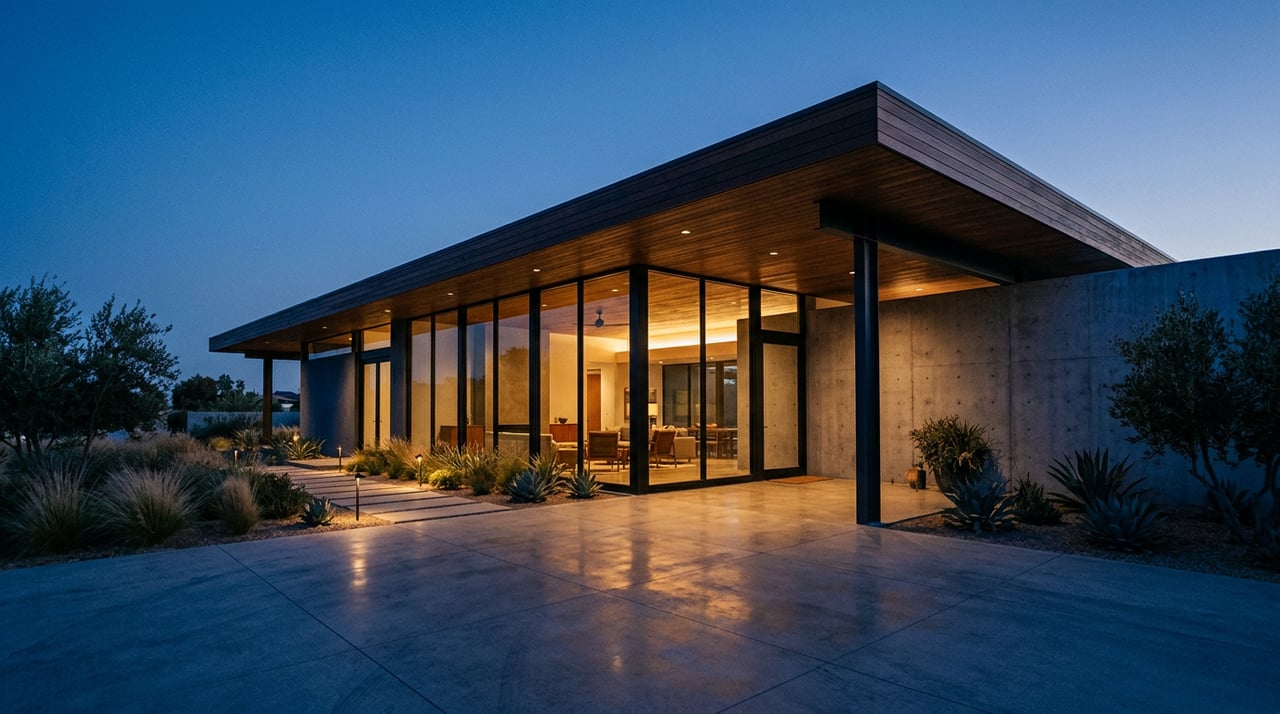
A three bedroom, one and a half bath cottage recently sold in Newlands with a detail buried in the listing that most buyers would scroll past: a full demolition permit had already been issued for the property back in January 2025, before the home ever changed hands. The house was built in 1910. It still had its original features. And its own listing described it less as a place to move into than as an opportunity for a buyer to bring an architect, a contractor, and a designer.
That single detail tells you more about how Newlands actually prices than any median you'll find on a portal. The neighborhood isn't one market wearing one price tag. It's two products sharing the same streets, the same zip code, and often the same block: a century-old original structure that some buyers are pricing as land, and a wave of ground-up rebuilds and new luxury construction that are pricing as finished, architect-branded product. Whichever one happens to close in a given month decides what the headline number says, and in a neighborhood this small, that number can swing hard.
A Subdivision Built Mostly Between the 1920s and 1950s, Still Selling as One
Newlands was mostly built out between the 1920s and the 1950s, and the housing stock still shows it. Original post-war bungalows sit within a few doors of contemporary custom builds, and that mix isn't a footnote, it's the entire pricing story. A townhome in an older building might list in the low $300,000s. A rebuilt architect-designed estate on a similar-sized lot two streets over can clear $7.5 million. Both are Newlands sales. Both get counted in the same neighborhood average.
That range only makes sense once you stop thinking of Newlands as a single housing type and start thinking of it as two parallel inventories moving at different speeds: one built on land value and renovation potential, the other built on finished square footage and design pedigree.
Why the Average and the Median Told Opposite Stories This Summer
The clearest evidence of that split showed up in the numbers themselves. In June 2026, the average sale price in Newlands hit $2.94 million, up 43.2 percent from the same month a year earlier. Over the three months ending in June 2026, though, the median sale price was $1.5 million, down 34.5 percent from the same window the year before. Those two figures moved in opposite directions in the same neighborhood, in overlapping time periods.
That isn't a contradiction. It's what happens when a thin market, just 14 recorded sales in June, gets pulled by a handful of very large transactions on one end while the median over the three-month window is lower. A single $6 million or $8 million custom estate closing that month can lift the June average sharply, while the three-month median reflects the sale sitting in the middle of that wider window, not the size of the outliers on either side.
The per-square-foot data backs this up. In the same Redfin dataset, median price per square foot in Newlands sat at $538, down 23.5 percent year over year. If buyers were simply paying more for the same kind of home, that number would be climbing alongside the average. Instead it fell, which means the average isn't rising because homes got more valuable per square foot. It's rising because the mix of what's selling got bigger and more expensive on the high end, while the ordinary comps in the middle softened.
Longer-run figures point the same direction. Trailing twelve-month data put the neighborhood's typical sale price around $1.84 million, down 19 percent from the year before, a milder decline than the sharp three-month median drop but the same downward trend in what a standard Newlands home is actually closing for.
The New-Construction End: What's Actually Selling as Finished Product
The high end of that split has a name right now: Sanitas View, a newly built enclave of 13 lock-and-leave townhome residences at the base of Mount Sanitas, each just under 3,000 square feet, priced from the mid $2.4 millions. One recorded sale in the community over a recent 180-day window closed at $2,817,234 for a four bedroom, three bath unit, well above the development's list-price floor.
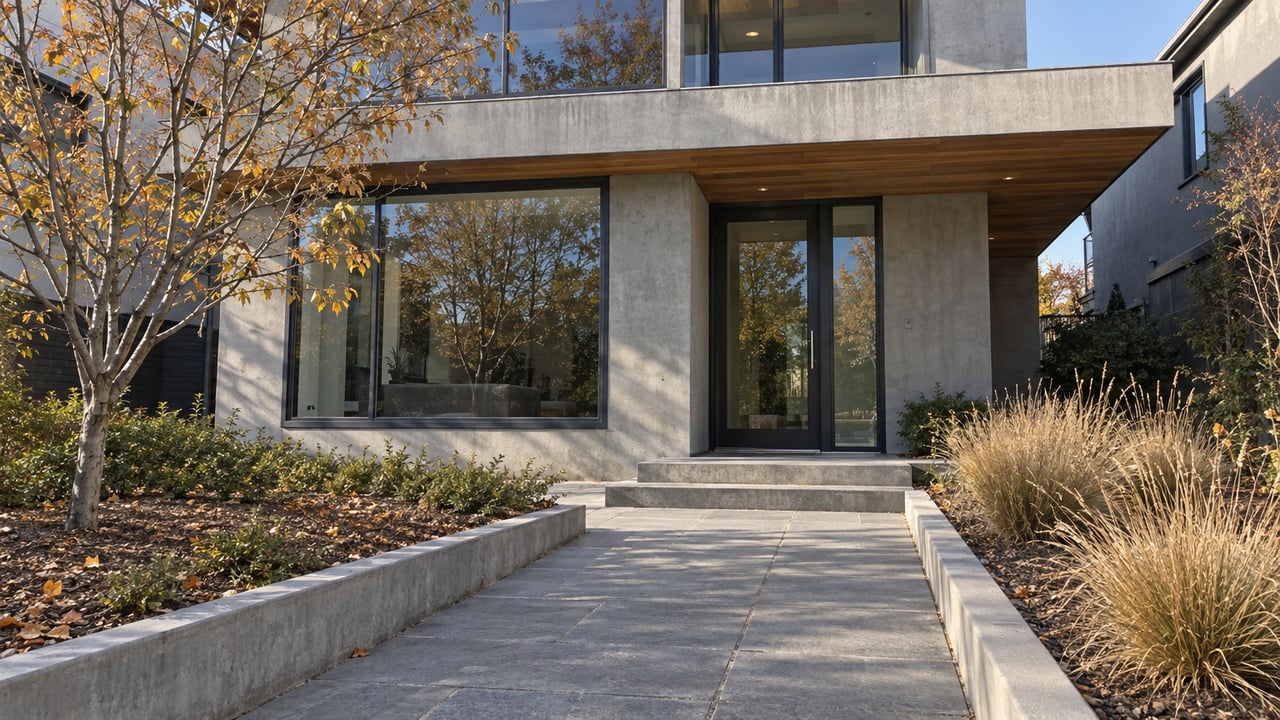
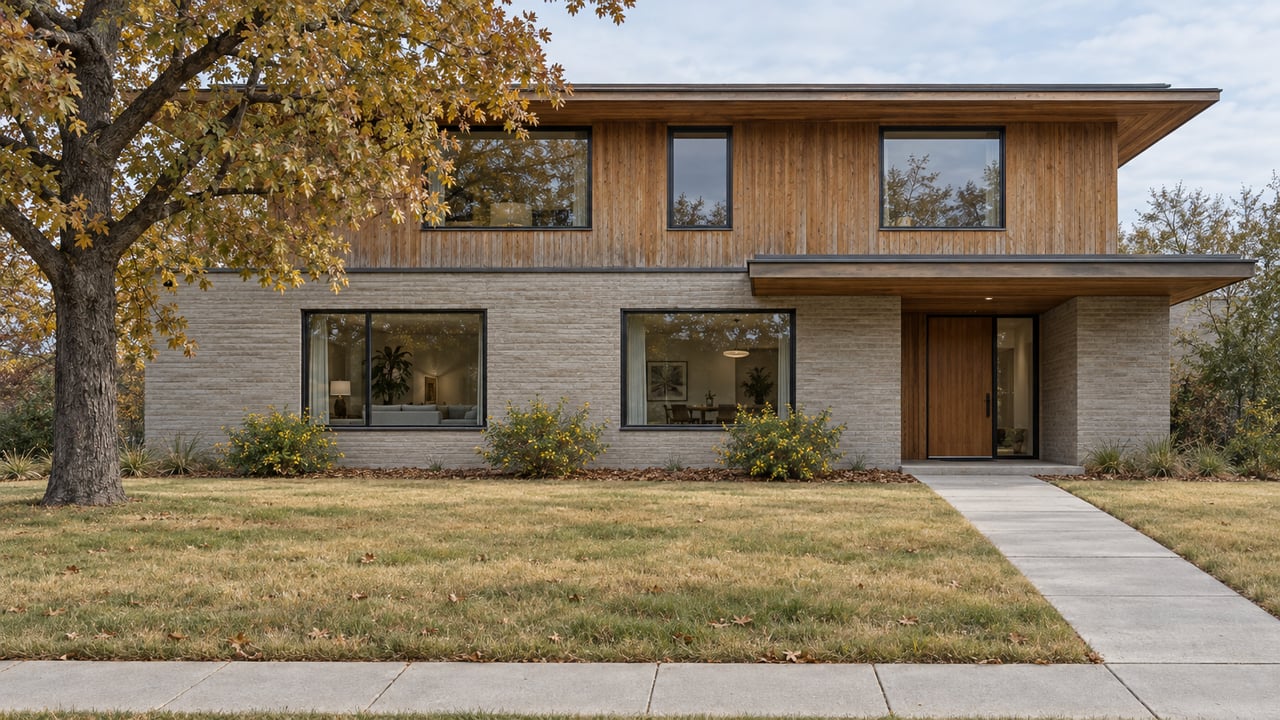
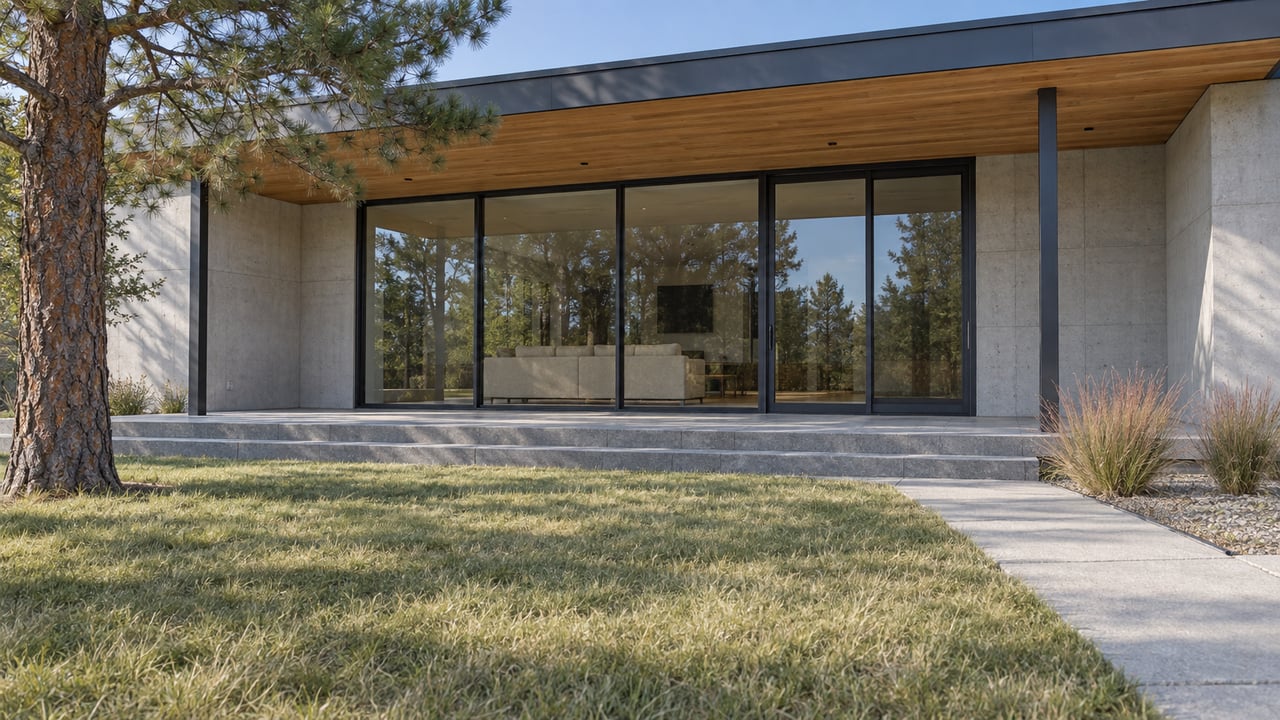
That's one project among several. A recent Newlands listing designed by Mosaic Architects marketed itself on architectural pedigree as much as square footage. Another, designed by Surround Architecture on a triple lot, leaned on the same pitch. And for buyers who want to skip the renovation debate entirely, a half acre flag lot in the neighborhood's Juniper and Kalmia enclave came to market with plans for a 7,849 square foot residence complete with an elevator and a 75-foot lap pool and spa. On the far end of scale, a 9,400-plus square foot custom stone estate on 1.25 acres, built by a builder for his own use and backing directly to open space, listed with five en-suite bedrooms and ten bathrooms.
None of these are outliers in the sense of being flukes. They're the visible tip of a construction pipeline that's actively replacing older structures in the neighborhood, and every one of them closes at a price that has nothing to do with what the original house on that lot would have sold for intact.
The Original End: Some Homes Are Staying Put, Some Are Already Slated
The other half of Newlands looks completely different, and it isn't uniform either. One listing on Juniper, one of the neighborhood's most established streets, had been lovingly maintained by the same family since 1969, marketed as sitting among homes worth many multiples of its own value, a home that had simply never entered the redevelopment cycle. Then there's the 1910 cottage with the pre-issued demolition permit, a property whose own listing had already made the decision for the next owner: this is a lot, not a house.
Both are original Newlands housing stock, sold within the same recent stretch of the market. One was priced and marketed as a home to keep living in. The other was priced and marketed as land with a structure standing on it, and priced accordingly.
How to Read a Newlands Listing Before You Write an Offer
If you're comparing homes in Newlands against a median price you saw somewhere else, that number is only useful once you know which product you're actually looking at. A few questions worth asking before you get attached to a listing:
- Has a demolition or major renovation permit already been pulled on the property? If so, the listing price reflects land value and permitted potential, not livable condition.
- Is the marketing built around architecture and finish, or around lot size and location? Ground-up builds sell on design pedigree. Original stock sells on the land beneath it.
- Does the per-square-foot price make sense for the home's actual age and condition? A $538 median per-square-foot figure across the neighborhood hides enormous variation between a 1920s bungalow and a 2025 custom build.
- If you're buying to renovate, does the math actually pencil against a teardown? In a market where listings already highlight redevelopment potential, a partial remodel sometimes costs more than starting over.
What This Means If You're Selling
If you own one of Newlands' original structures, the decision isn't whether your home is worth less than the new construction next door. It's whether your buyer pool is people who want to live in it as it stands or people who are going to redevelop it regardless of condition. Those are different marketing strategies, different pricing conversations, and often different buyers entirely, and getting that positioning right matters more in Newlands right now than in almost any other Boulder neighborhood.
A Short FAQ
Is a renovated Newlands home still competitive against new construction? It depends entirely on what the renovation actually addressed. A cosmetic update on original bones competes on price and lot value. A full gut renovation with permitted structural changes starts to compete with new builds on finish quality, though rarely on square footage.
Why did the median price fall while the average rose? Because the two numbers measure different things and cover different windows. The average is sensitive to a small number of very large sales pulling it upward. The median reflects the sale sitting in the middle of the three-month window's closings, and in a market with relatively few transactions, that middle sale can look completely different from one window to the next.
If you're trying to figure out which side of Newlands' market a specific property actually belongs to, or how to position a listing so it reaches the right buyer pool, Marybeth Emerson can walk through the permit history, the comps that actually apply, and the strategy that fits.
This article is general information, not legal, tax or financial advice. Consult a qualified professional about your situation.