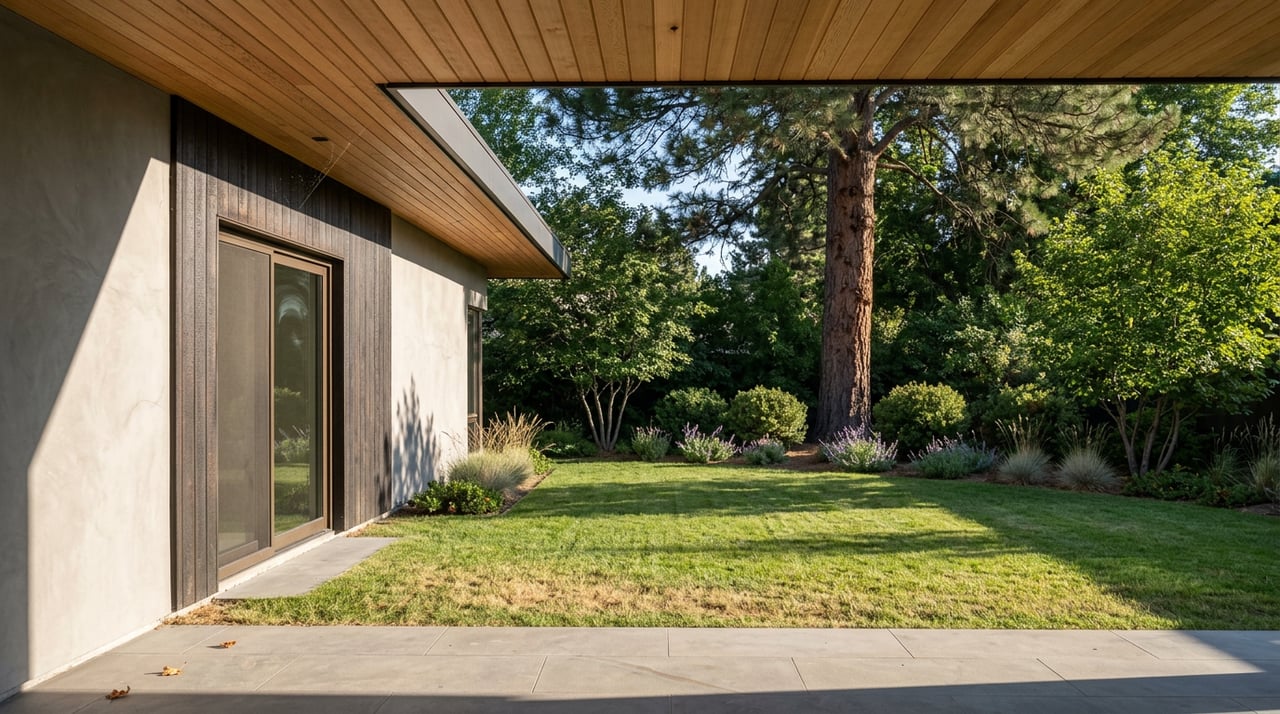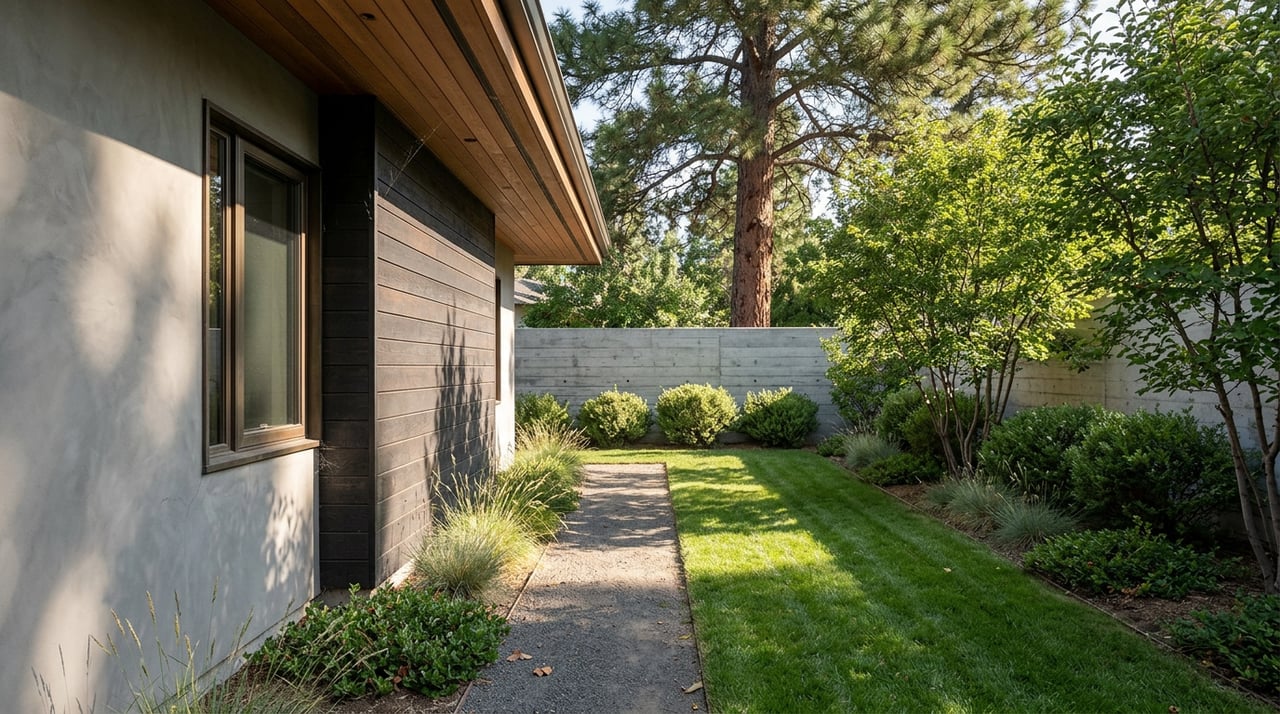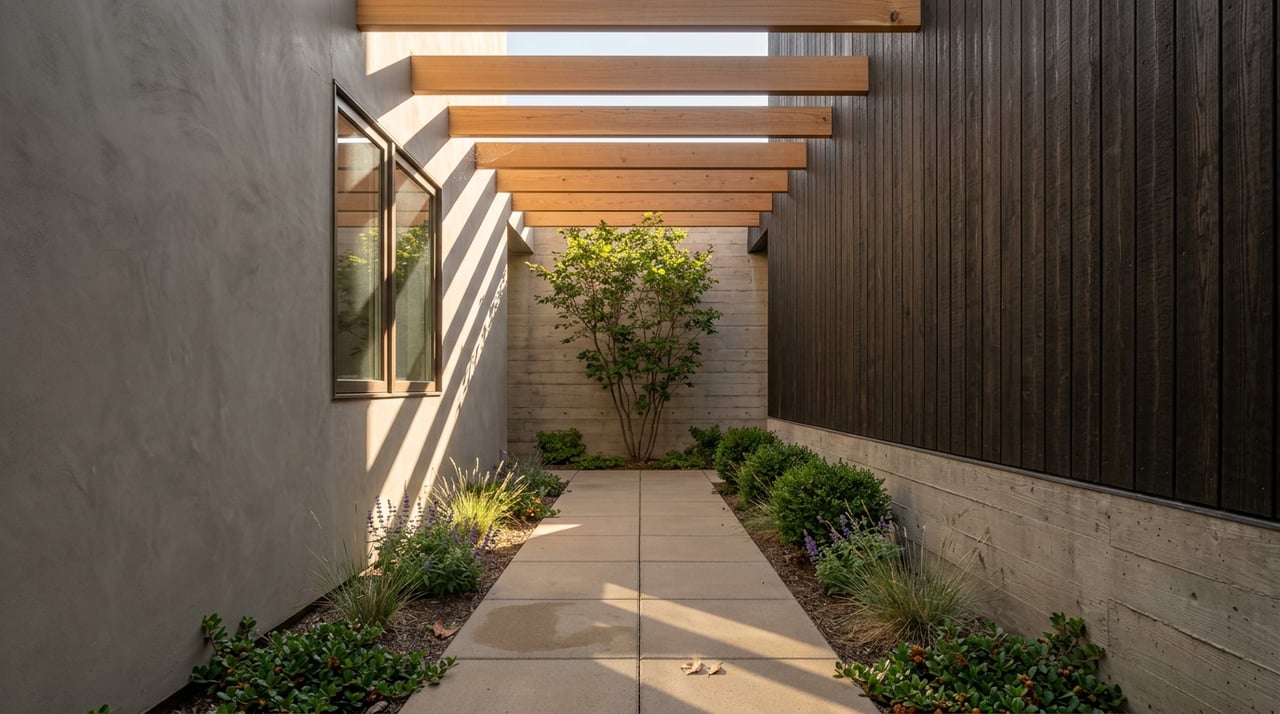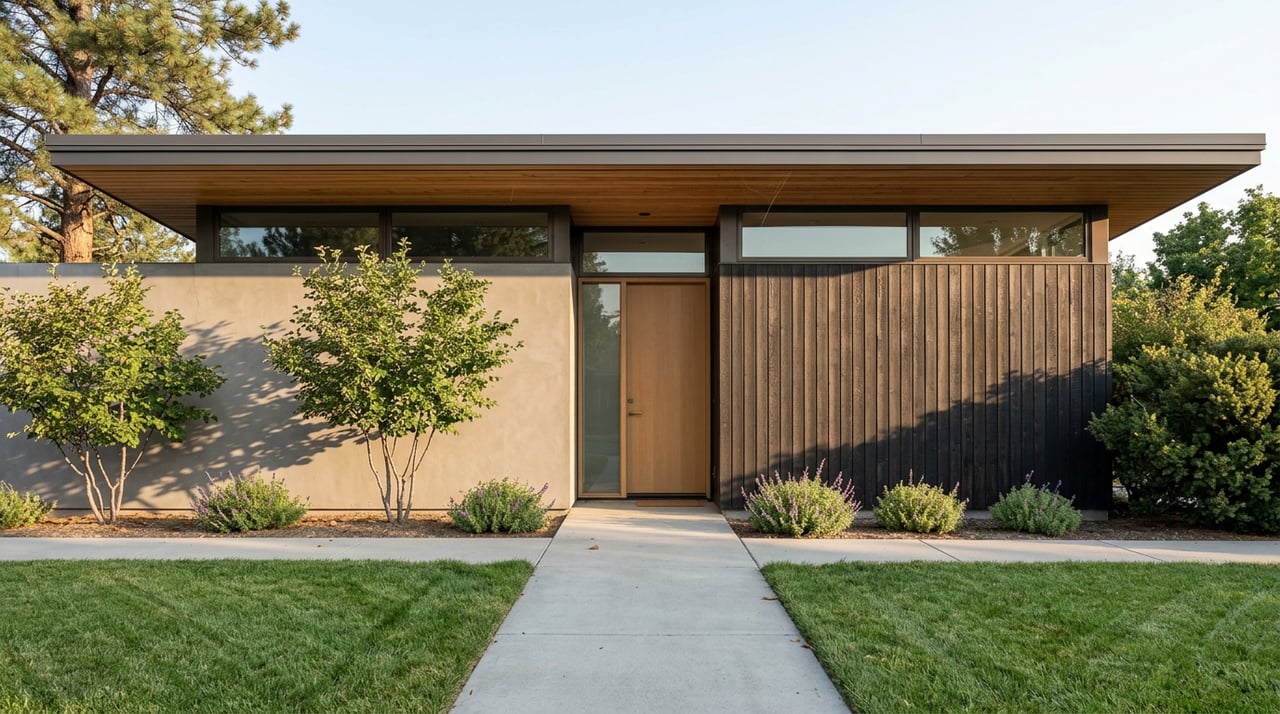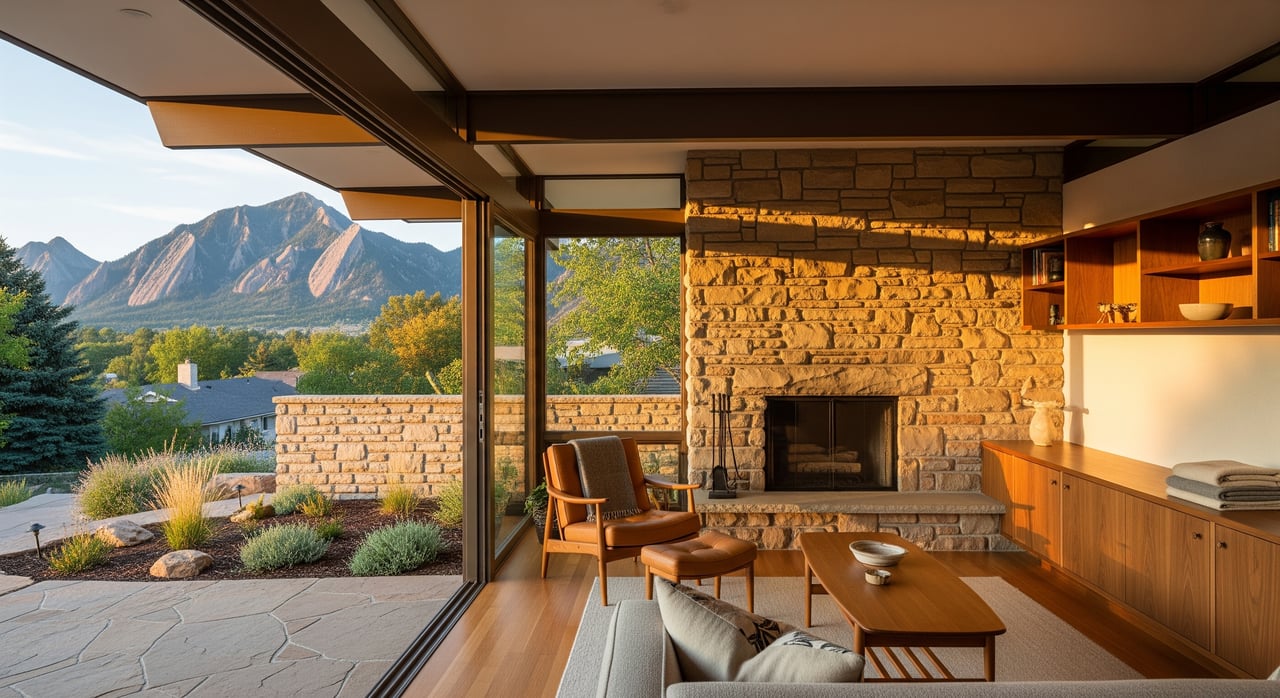
Thinking about listing your South Boulder mid-century ranch this spring? A targeted pre-market refresh can lift perceived value, speed up your sale, and protect the character that makes your home special. You want to honor the original design while answering today’s buyer expectations for comfort, efficiency, and easy indoor-outdoor living.
This guide gives you a focused, design-informed plan for 1960s to 1970s ranch homes. You will learn what to update versus preserve, the highest-ROI projects for spring, staging tips that photograph beautifully, and key safety and compliance steps for older homes. Let’s dive in.
What buyers want in South Boulder
Boulder buyers value original character paired with modern function. They look for:
- Energy efficiency and electrification readiness that fit our high-elevation climate.
- Natural light and a smooth indoor-outdoor connection to patios and yards.
- Clean, neutral finishes that feel current without erasing mid-century details.
- Reliable systems and maintenance records that make ownership easy.
If you preserve signature elements and address comfort, light, and livability, you speak directly to what the market values.
Quick-start refresh: 1 to 2 weeks
Tackle visible, low-cost wins first. These set the tone for showings and photography.
- Deep clean and declutter to highlight horizontal lines and open flow.
- Paint walls a warm, neutral white. Refinish or tone wood trim rather than painting over quality original wood.
- Exterior tidy: power-wash siding and walks, clean gutters, remove dead plants, mow, and edge.
- Front door refresh with simple, modern hardware and readable house numbers.
- Lighting updates with bright, clean LED fixtures and consistent color temperature.
- Minor repairs: fix sticking doors, repair or replace torn screens, tighten loose railings, caulk gaps, replace cracked glass.
- Safety checks: test smoke and carbon monoxide alarms, update batteries, and confirm correct placement.
High-ROI updates: 2 to 8 weeks
These projects are buyer-visible and help justify your price without a full remodel.
- Kitchen refresh, not a gut: reface or refinish cabinets, update hardware, install a durable countertop like quartz, modernize faucet and sink, add a simple backsplash and under-cabinet lighting. Preserve the cabinet form if the mid-century lines are attractive.
- Bathroom refresh: reglaze a worn tub, regrout or replace tile surrounds, swap in a clean vanity or new countertop, add modern lighting and mirrors.
- Flooring: repair or refinish original hardwood or parquet when possible. If replacement is necessary, choose a neutral, mid-tone engineered hardwood or high-quality LVP.
- Trim strategy: restore original wood trim where it shines. Where damaged, match stain or paint for a continuous look.
- Windows and sliders: replace worn seals, add weather stripping, and service sliding door hardware. Consider interior storm panels to keep original frames while improving comfort.
- Mechanical servicing: have the furnace tuned, ducts cleaned or checked, and confirm the water heater is operating reliably. Keep service documentation.
- Roof and drainage: repair flashing, replace missing shingles, and ensure gutters and downspouts are clear and functional.
Medium upgrades to consider
These are higher cost and best chosen for clear value or when competition is modernized.
- Insulation upgrades in the attic and rim joists to boost efficiency in cold months.
- HVAC improvements such as a high-efficiency heat pump or furnace. Check current incentives and typical payback expectations before committing.
- Window replacement only when failure or severe energy loss is evident. Restoration or interior storms often protect character and budget.
- Deck and patio improvements: repair, refinish, and define zones that show everyday outdoor living.
- Solar readiness or installation if the roof orientation and structure are favorable. Clarify ownership status because owned systems are usually preferred by buyers.
Preserve the mid-century soul
You can protect authenticity and still look current. Prioritize:
- Keep original built-ins, exposed wood trim, brick fireplace surrounds, clerestory windows, vintage hardware, terrazzo or parquet flooring when they present well.
- Replace thoughtfully. Certain original windows are defining features. If serviceable, restore rather than replace.
- Document restoration with photos and notes. Buyers appreciate the care taken to keep the home’s character.
Health, safety, and disclosures
Homes from the 1960s to 1970s can include regulated or sensitive materials. Handle these correctly.
- Lead-based paint: for pre-1978 homes, provide the EPA/HUD lead-paint pamphlet and disclose known information about hazards.
- Asbestos: test suspect materials like floor tile, mastic, ceiling textures, or pipe wrap before any sanding or demolition. Hire licensed abatement professionals when removal is required.
- Moisture and mold: inspect basements, crawlspaces, and baths. Remediate visible issues and keep records.
- Electrical: address unsafe or outdated wiring if it could affect safety inspections or mortgage underwriting.
- Structural and pests: obtain inspections as needed and disclose known issues with supporting documentation.
- Permits: the City of Boulder and Boulder County require permits for many electrical, plumbing, structural, HVAC, and some window or deck projects. Unpermitted work can complicate a sale, so verify requirements and timelines before starting.
Staging that fits a mid-century ranch
The goal is to showcase openness, light, and outdoor connection while nodding to the era’s clean lines.
Living room
- Use low-profile seating to respect lower ceiling lines and emphasize horizontal views.
- Highlight exposed beams, brick fireplaces, or built-ins with simple styling.
- Keep traffic flow clear to sliding doors and windows.
Kitchen
- Remove small appliances from counters and keep surfaces clean.
- Style with one or two simple items, like a bowl or vase.
- If the footprint is small, use light colors and open shelves to suggest more space.
Primary bedroom
- Create a calm retreat with minimal furniture.
- If there is a view or outdoor access, keep window treatments simple to show it off.
Office or flex rooms
- Stage at least one flexible workspace. Many buyers prioritize a work-from-home area.
Outdoor spaces
Define a lounge or bistro area to make the patio feel like an extra room.
Refresh planters and mulch so spring photos read green and welcoming.
Photography and timing
- Book professional photography on a clear spring day when landscaping is tidy.
- Capture golden hour exteriors and bright, naturally lit interiors.
- Include a virtual tour and a measured floor plan to help buyers visualize the layout.
Timelines to hit the spring market
Choose the plan that fits your goals, budget, and bandwidth. Spring is busy for contractors and permitting, so confirm schedules early.
2-week sprint
- Deep clean and declutter.
- Fresh paint throughout in a warm, neutral white.
- Exterior tidy and light landscaping touch-ups.
- Minor repairs and lighting updates.
- Safety checks and professional photos.
Good for homes already in solid shape with realistic pricing.
4 to 6 week refresh
- All sprint tasks plus kitchen and bath refreshes.
- Flooring repair or refinishing.
- Mechanical servicing and documentation.
- Window weatherization and roof or gutter repairs.
- Full staging and final photography.
This is the sweet spot for many mid-century sellers preparing for prime spring demand.
8 to 12 plus week renovation
- Insulation or HVAC upgrades, window replacement if justified, deck reconstruction, solar readiness or installation, or structural changes.
- Plan for permits, inspections, and potential delays.
Best when the home needs system-level improvements or competing listings are fully modernized.
Energy and comfort checklist
Efficiency matters in Boulder’s sunny, cold-winter climate. Aim for upgrades that improve comfort and day-to-day costs.
- Attic and rim-joist insulation for immediate comfort gains.
- High-efficiency heat pump or furnace when systems are at or near end of life.
- Smart thermostats and basic air sealing.
- Window restoration, weather stripping, and interior storms to retain character while reducing drafts.
- Confirm available energy rebates with your utility and local programs before work begins.
Documentation buyers love
Give buyers confidence with clear records.
- Service receipts for HVAC, water heater, and roof.
- Before-and-after notes on restorations and finishes, especially original woodwork, windows, floors, or masonry.
- Utility bills that show typical usage.
- Permit records and inspection sign-offs for recent work.
- Any testing or remediation reports for lead, asbestos, moisture, or electrical issues.
What to skip or phase
If timing or budget is tight, avoid projects that rarely return their cost in a quick sale.
- Full kitchen or bath gut remodels unless the layout is truly dysfunctional or direct competitors are significantly more modern.
- Expansive additions that require lengthy approvals.
You can price strategically or offer credits rather than overextending before market.
Next steps
A polished, period-true presentation paired with smart system updates is a proven path for South Boulder mid-century homes. If you want a design-savvy plan, contractor introductions, and editorial marketing that highlights your home’s best features, connect with Marybeth Emerson to map your spring timeline and go to market with confidence.
FAQs
What should I update first in a South Boulder mid-century ranch?
- Start with paint, lighting, deep cleaning, minor repairs, exterior tidy, and safety checks. These create strong photos and showings in under two weeks.
Should I replace original windows before listing?
- Only if they are failing or causing severe energy loss. Many buyers value original profiles, so consider restoration or interior storms to improve comfort while preserving character.
How do I handle lead paint and asbestos in a 1960s to 1970s home?
- Provide the required federal lead-paint disclosure for pre-1978 homes and test suspect materials for asbestos before any sanding or demolition. Use licensed professionals for any abatement.
Which energy upgrades resonate most with Boulder buyers?
- Insulation, weatherization, and well-documented HVAC improvements are compelling. Evaluate incentives for heat pumps and confirm realistic timelines before starting.
What documentation will help my sale go smoothly?
- Keep permits, inspection sign-offs, service records, utility bills, and any testing or remediation reports. Clear records support value and ease buyer concerns.
Do I need permits for pre-market work in Boulder?
- Many electrical, plumbing, structural, HVAC, and some window or deck projects require permits. Verify requirements and review times with local building services before committing to a schedule.