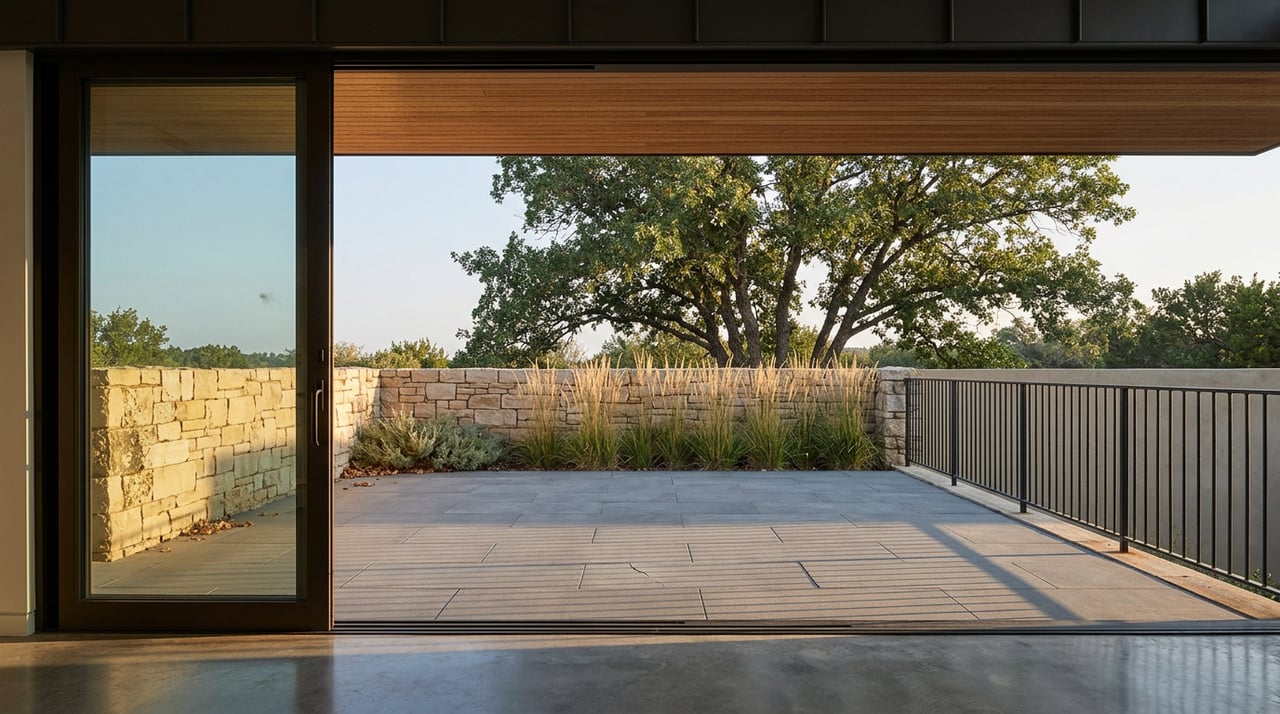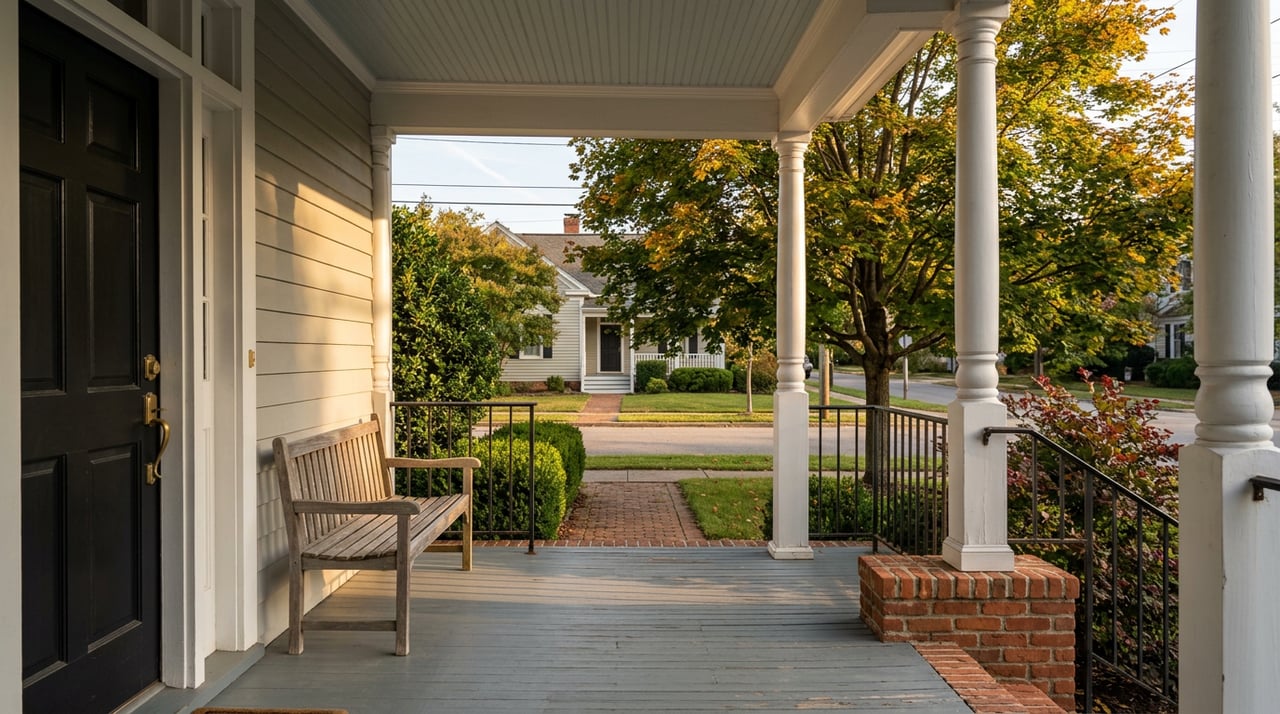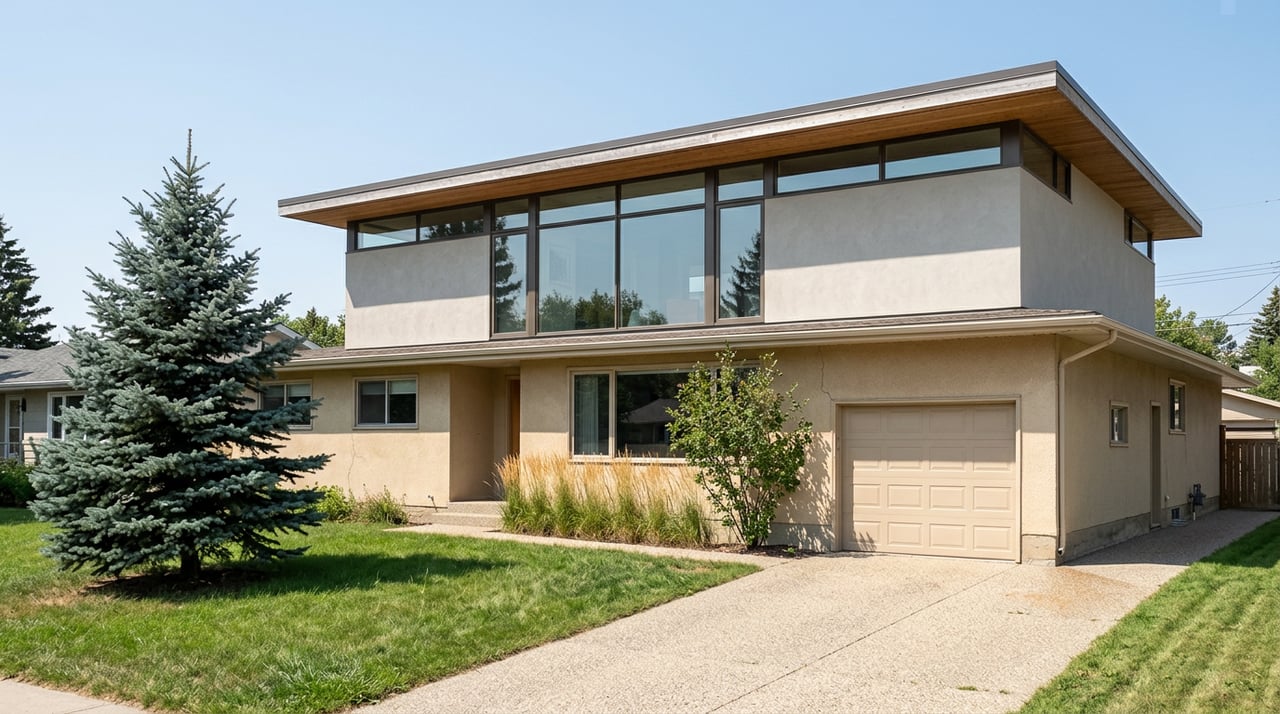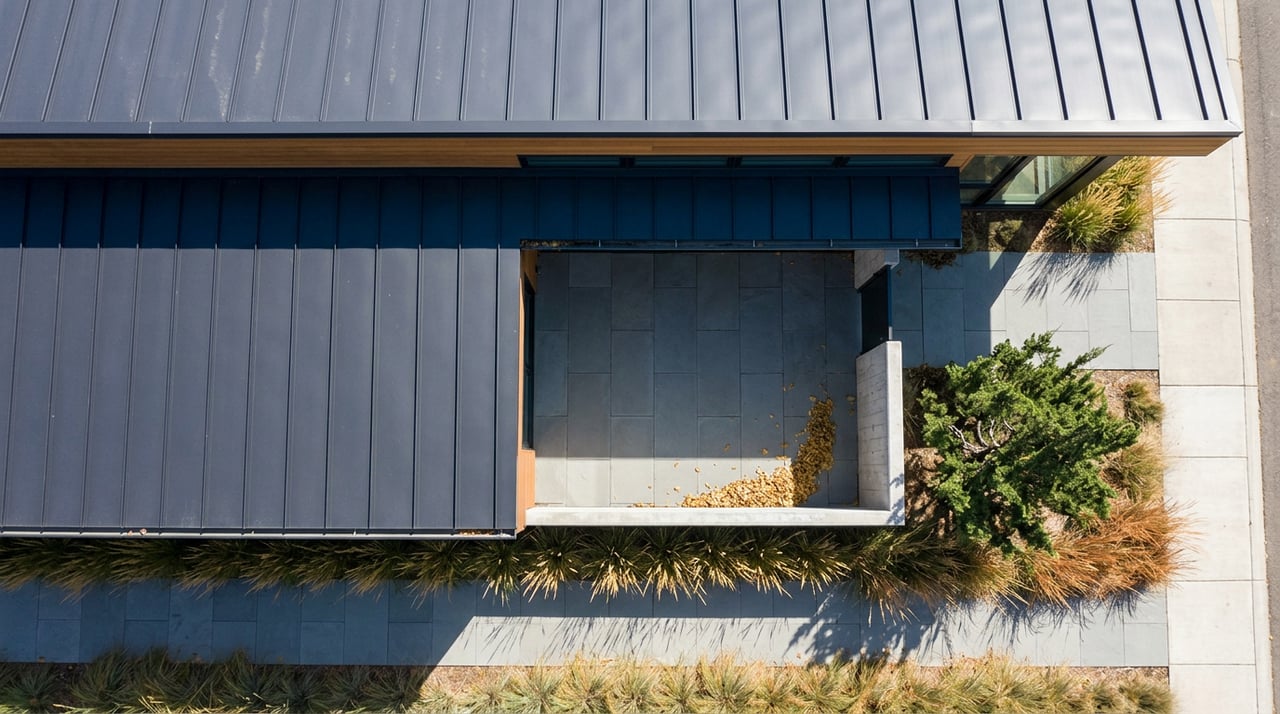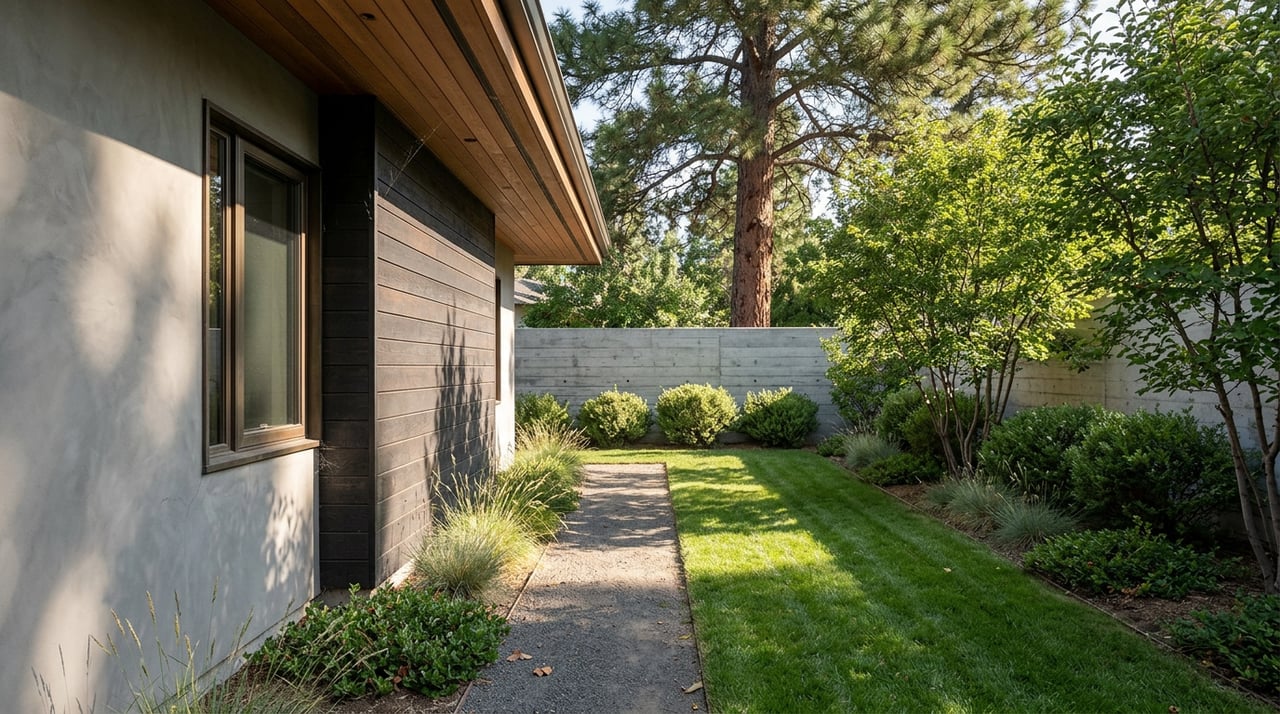
In 2024, a buyer paid $1.5 million for a modest 1956 ranch at 2090 Orchard Ave, one of the last untouched lots on a stretch of North Boulder streets long known for exactly this kind of trade. The house came down that same year. In its place, permitted plans called for a five-bedroom, six-bathroom home with a separate pool house, built around a three-sided courtyard, on a 0.34-acre corner parcel a few blocks from Lucky's Market and Wonderland Lake Park. By 2025 it was on the market for $6.5 million.
That trade, buy the small house, demolish it, build something four or five times its size, has been the reliable playbook on streets like Orchard Ave and Grape Ave for years. It still works. But since January 31 of this year, it works differently, and the difference is not evenly distributed. If you're evaluating a "development opportunity" listing in North Boulder right now, the numbers on the flyer don't tell you what the city just added to the cost of building big.
What actually changed
On November 6, 2025, Boulder City Council approved Ordinance 8712, a citywide fee that applies to two situations: tearing down a single-unit home and replacing it with a larger one, and adding more than 500 square feet onto an existing single-unit home. The fee is $11 for every square foot of new floor area beyond what was already there, and it took effect for any complete building permit application submitted to the city on or after January 31, 2026.
The mechanism is what makes this interesting for a buyer running numbers today. The fee doesn't tax the finished home. It taxes the gap between the old home and the new one, and it gives a credit for whatever square footage was already standing. A home that starts small and grows large pays on a much bigger gap than a home that starts large and grows modestly, even if both end up the same size. The fee also has no ceiling. Boulder's existing water and sewer impact fees cap out at homes of 3,700 square feet. This one doesn't, because the city's position, laid out by Senior Housing Manager Jay Sugnet to the Planning Board, is that larger homes create more demand for affordable housing regardless of how large they already are.
There's one more piece worth knowing before you run any math: the ordinance excludes accessory dwelling units from the floor area calculation entirely. Square footage added as a detached ADU doesn't count toward the fee at all.
Running the actual numbers
North Boulder has no shortage of listings built around a feasibility study. One that ran last summer, 1891 Orchard Ave in the Moores Subdivision, is a useful real example because the numbers are public. The existing home is a 1958 ranch at 1,172 square feet on a 0.36-acre lot. A feasibility study by Mosaic Architects found the lot's zoning would allow a home as large as 4,818 square feet.
Run that gap through the new fee and the math looks like this:
| Scenario | Existing sq ft | Rebuild target | Fee-eligible new area | Fee at $11/sq ft |
|---|---|---|---|---|
| 1891 Orchard Ave (actual feasibility study) | 1,172 | 4,818 | 3,646 | $40,106 |
| Hypothetical larger starting home | 2,400 | 4,818 | 2,418 | $26,598 |
Same finished square footage, same neighborhood, roughly a $13,500 difference in city fees, purely because of how much house was standing on the lot to begin with. That's not a rounding error on a multimillion-dollar rebuild, but it is a real cost that a feasibility study built around FAR and building coverage won't mention, because it isn't a zoning question. It's a budget line that didn't exist when most of these North Boulder feasibility packages were written.
One detail was still being worked out as the ordinance moved through Planning Board review last fall: how basement square footage gets counted toward the fee. On a lot like 1891 Orchard Ave, or any of the other 1950s ranches on Orchard and Grape that were built without a finished basement, that's not a small footnote. Before you finalize a redevelopment budget, get a direct answer from the city's planning staff on how your specific lot's basement will be treated, rather than relying on a general contractor's estimate.
The ADU angle changes what pencils
Because the fee exempts accessory dwelling units from its calculation, a buyer weighing how to use a large North Boulder lot now has a real financial reason to think about a detached ADU differently than they might have two years ago. Square footage built as an ADU costs the same to construct as square footage added to the main house, but only one of those paths carries an $11-a-foot city fee on top of it.
For a lot with room to spare, like the corner parcel at 2090 Orchard Ave or the third-of-an-acre at 1891 Orchard Ave, that changes the shape of what a smart redevelopment looks like. Instead of maximizing the primary structure to its FAR limit, a buyer might land on a somewhat smaller main house paired with a detached ADU, both because it avoids a chunk of the new fee and because it adds a second, separately usable structure to the property. That's a different building than the courtyard-and-pool-house version of the playbook, and it's a direct result of how this particular ordinance was written, not a general trend toward smaller homes.
What this means if you're reading a listing today
A "development opportunity" or "shovel-ready" listing in North Boulder will still lead with lot size, zoning, and FAR, because those numbers set the ceiling on what can be built. What they won't show you is the fee that now sits between that ceiling and the actual cost of getting there. Three things worth doing before you treat a feasibility study as a budget:
- Ask the listing agent or the seller's architect whether the fee has been run against the specific feasibility numbers in the packet, since a study written before late 2025 almost certainly predates the fee entirely.
- Get a straight answer from the city on how basement square footage will be treated for your specific lot, since that detail was still being finalized as the ordinance took shape.
- If the lot has room for a detached structure, price out an ADU-inclusive version of the project alongside the maximum-primary-house version. The fee math alone can shift which one comes out ahead.
None of this changes whether a given North Boulder lot is worth buying. It changes what the numbers on the flyer actually mean once you're the one applying for the permit.
A few questions worth answering directly
Does the fee apply if I'm adding onto my existing home instead of tearing it down? Yes. Additions larger than 500 square feet are subject to the same $11-per-square-foot fee on the added area, separate from teardown-and-rebuild projects.
Does building a detached ADU trigger this fee? No. The ordinance excludes ADUs from the floor area calculation used to determine the fee.
Is there a size where the fee stops applying, the way it does with water and sewer impact fees? No. Unlike Boulder's utility impact fees, which cap at homes of 3,700 square feet, this fee has no maximum and continues to scale with the size of the finished home.
North Boulder's stock of post-war ranches on streets like Orchard and Grape has made this kind of redevelopment math routine for years. What's routine now includes a fee that wasn't there a year ago, and it rewards a different kind of project than the one that built the last generation of North Boulder spec homes. If you're weighing a teardown lot against a finished rebuild, or trying to figure out what a feasibility study is actually worth once the city's fee schedule is applied to it, that's exactly the kind of number Marybeth Emerson runs before a client makes an offer. Schedule a Consultation to walk through the math on a specific North Boulder property before you write one.